This Seminole surge protection case study walks through the real diagnosis, the fix, and the code details from a recent service call. A homeowner in Seminole, FL called about a suspected short circuit in their panel — and what our field team found during the full safety inspection was a home that simply hadn’t kept pace with several decades of code improvements. By the end of the visit, the GE 150-amp panel had been brought up to current standards, whole-home surge protection was in place, and five interconnected smart smoke/CO detectors were watching over every required area of the house.
The Problem
The call came in as a panel concern — the homeowner suspected a short circuit somewhere in the system. Additionally, a bathroom outlet replacement the homeowner had attempted themselves hadn’t gone as planned, leaving that circuit unfinished.
“I tried to swap out the bathroom outlet myself and couldn’t figure it out. I also wasn’t sure if the panel was okay.”
Our team waived the dispatch fee and arrived during the scheduled window to take a thorough look.
Investigation
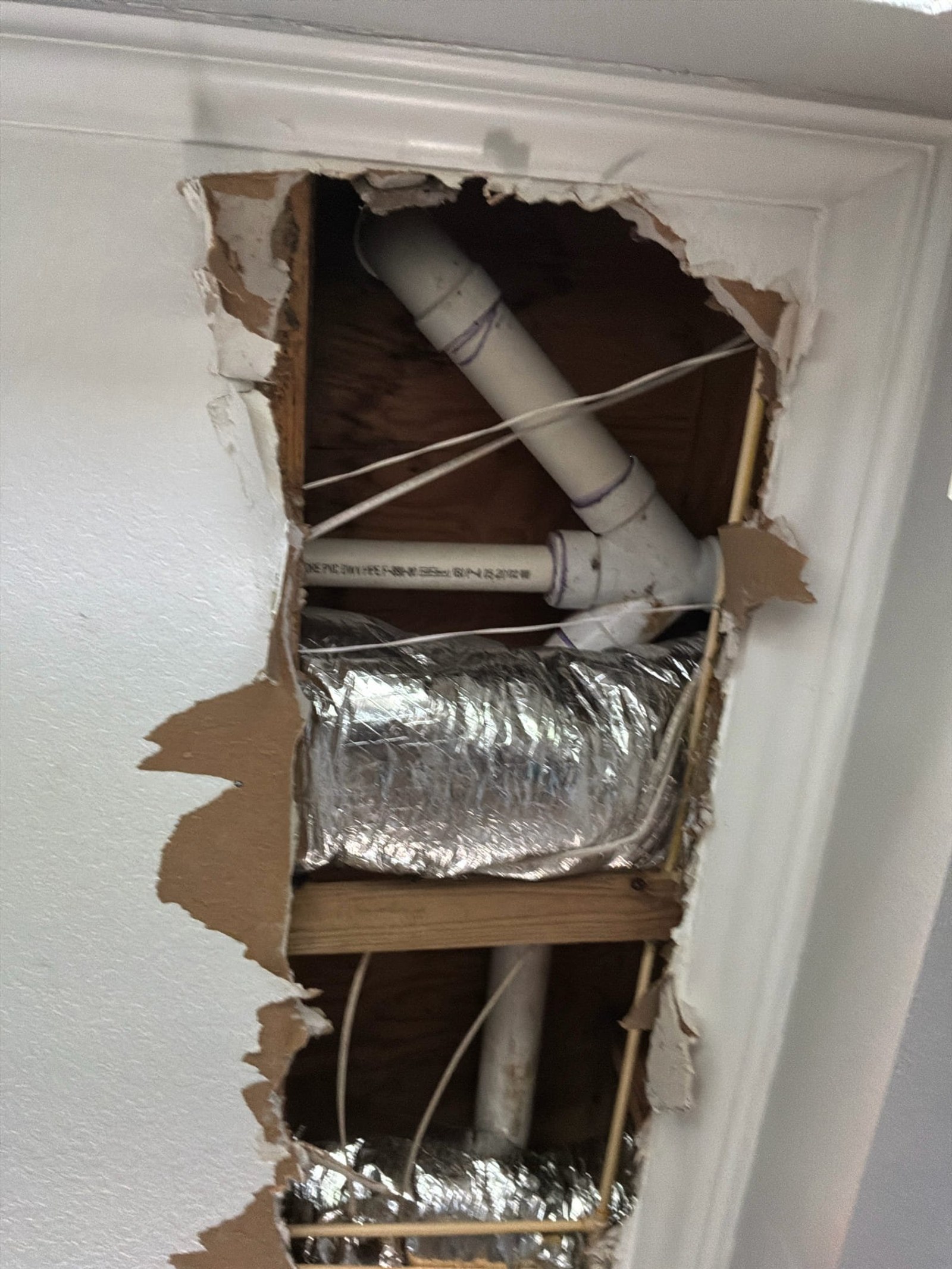
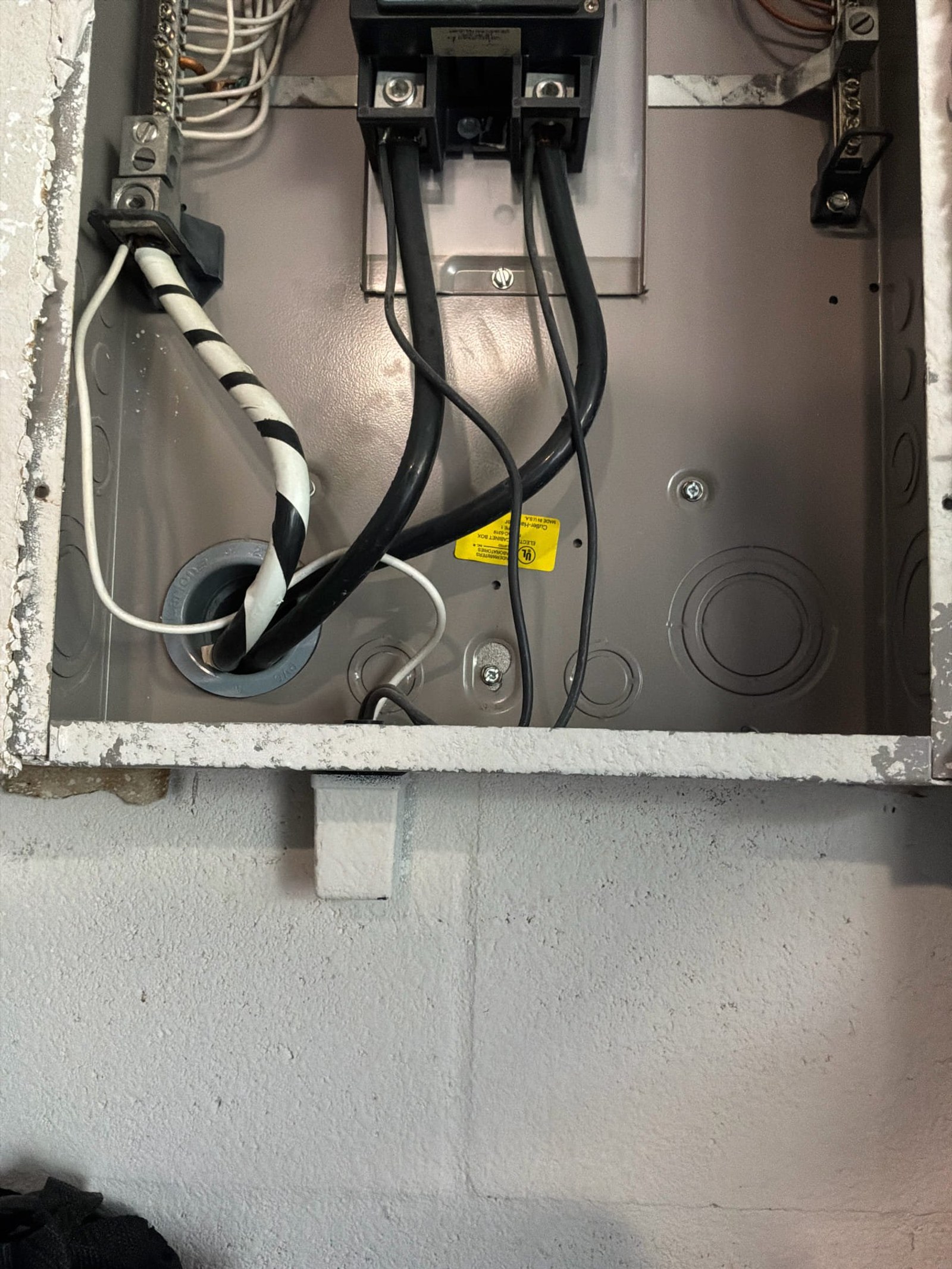
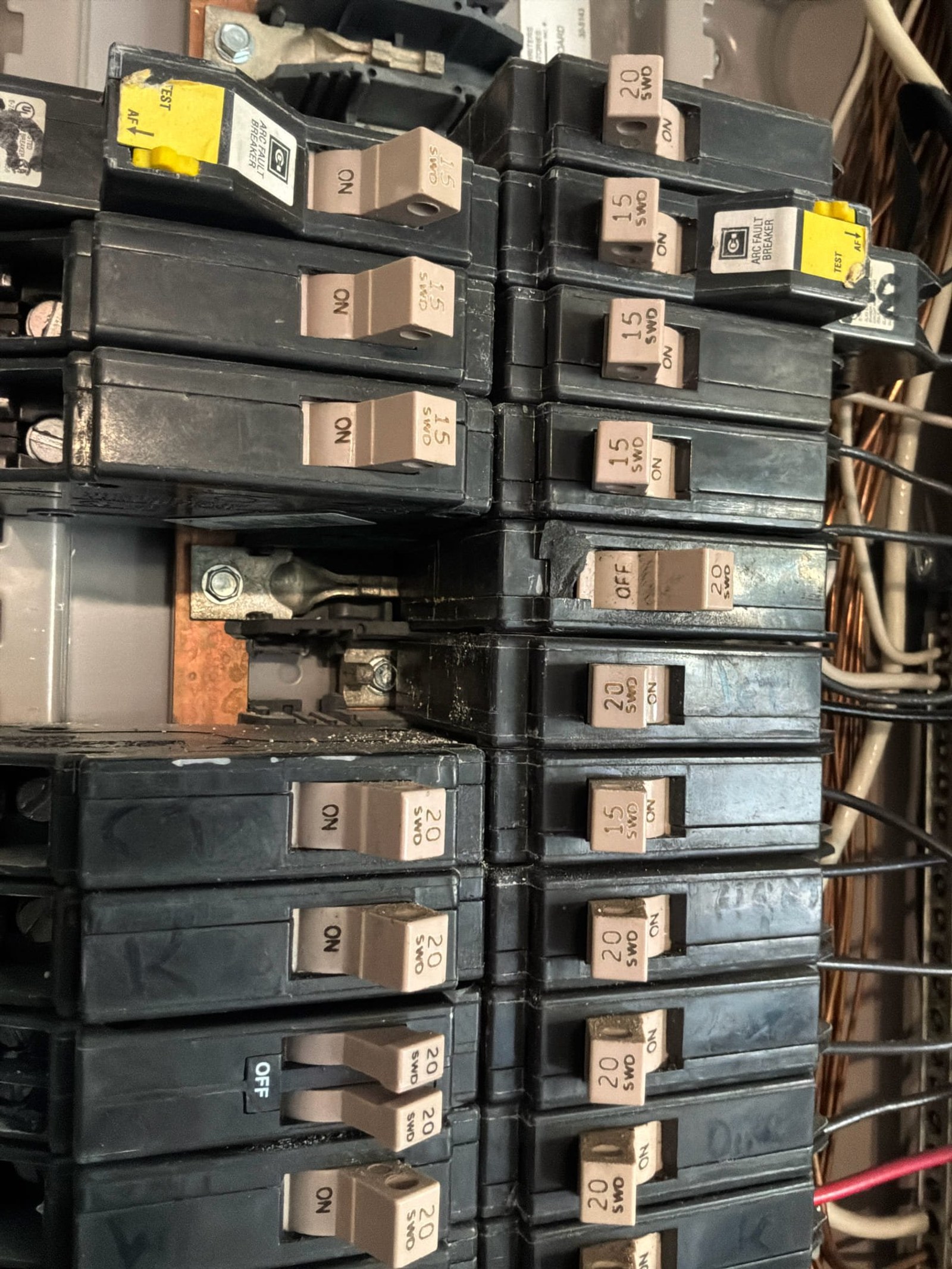
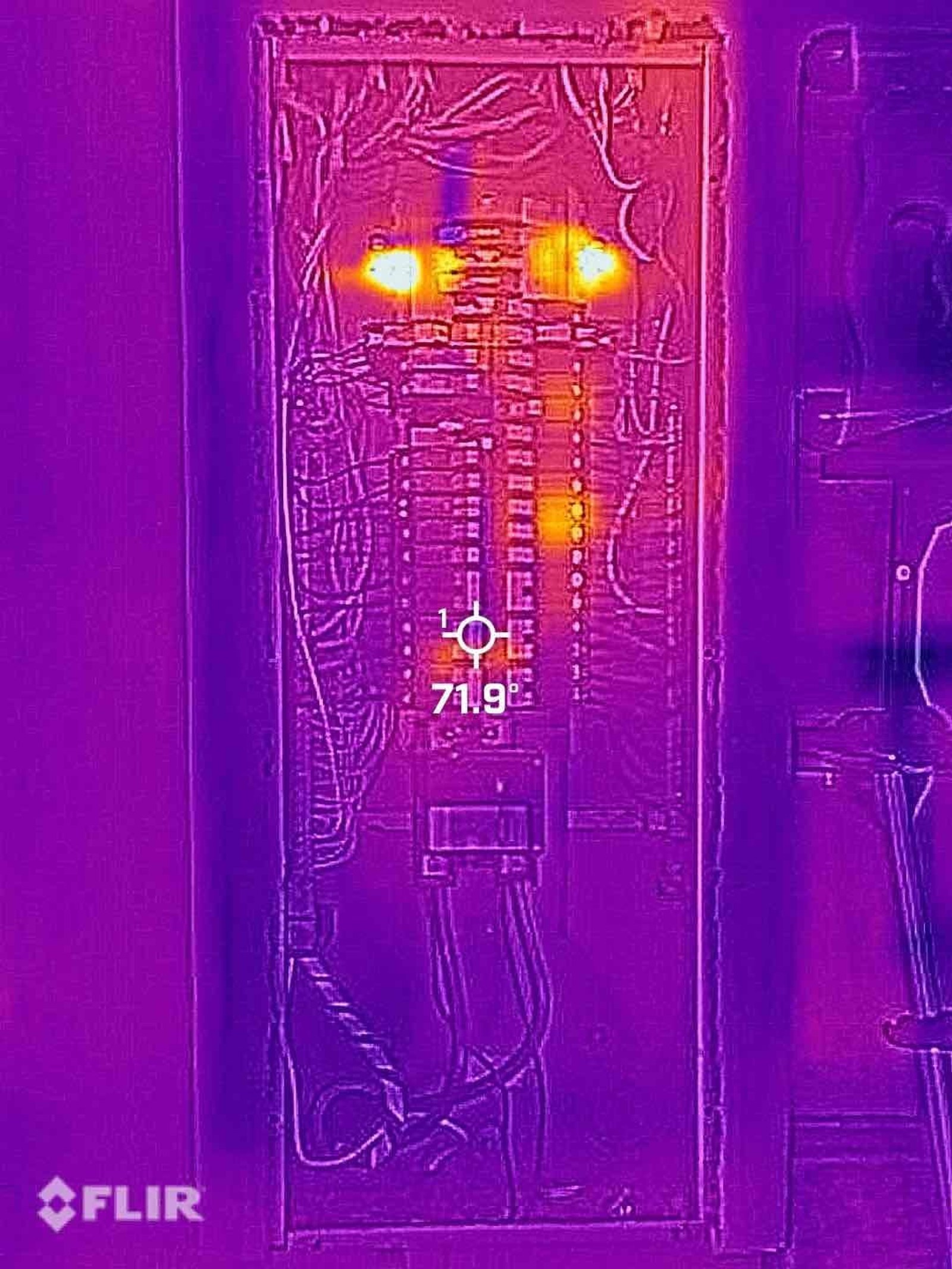
The field team conducted a full visual safety inspection of the panel, branch circuits, outlets, and detectors. Several findings pointed to a home that was wired to older standards — perfectly acceptable at the time, but worth modernizing now.
Panel and Breaker Findings
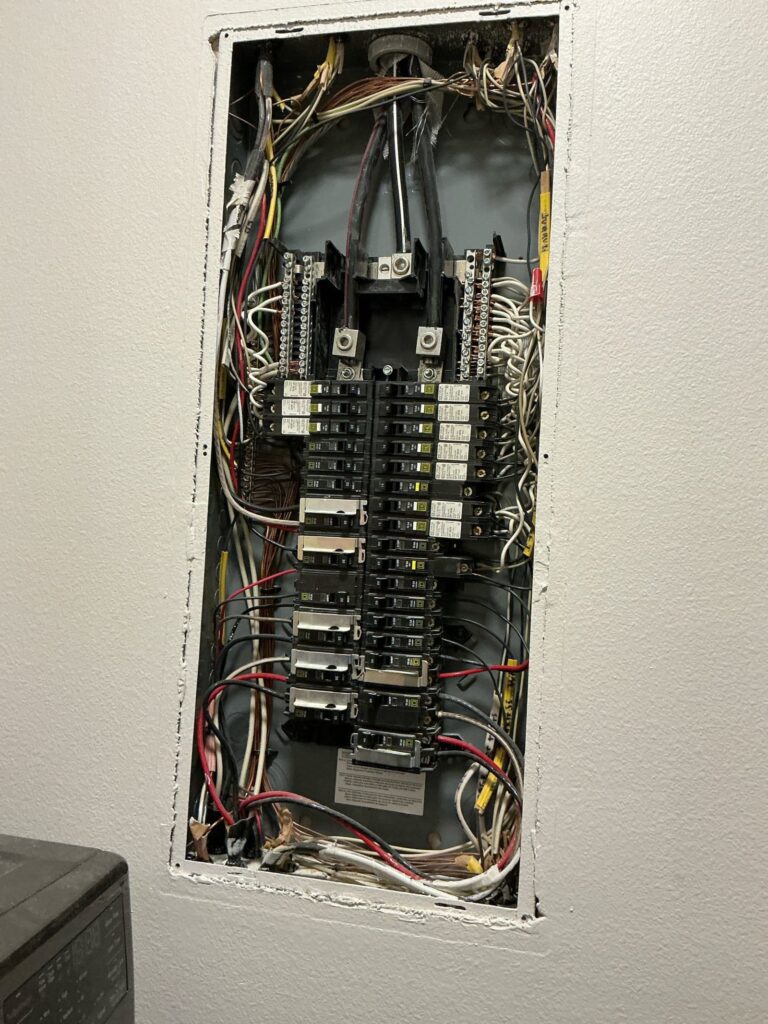
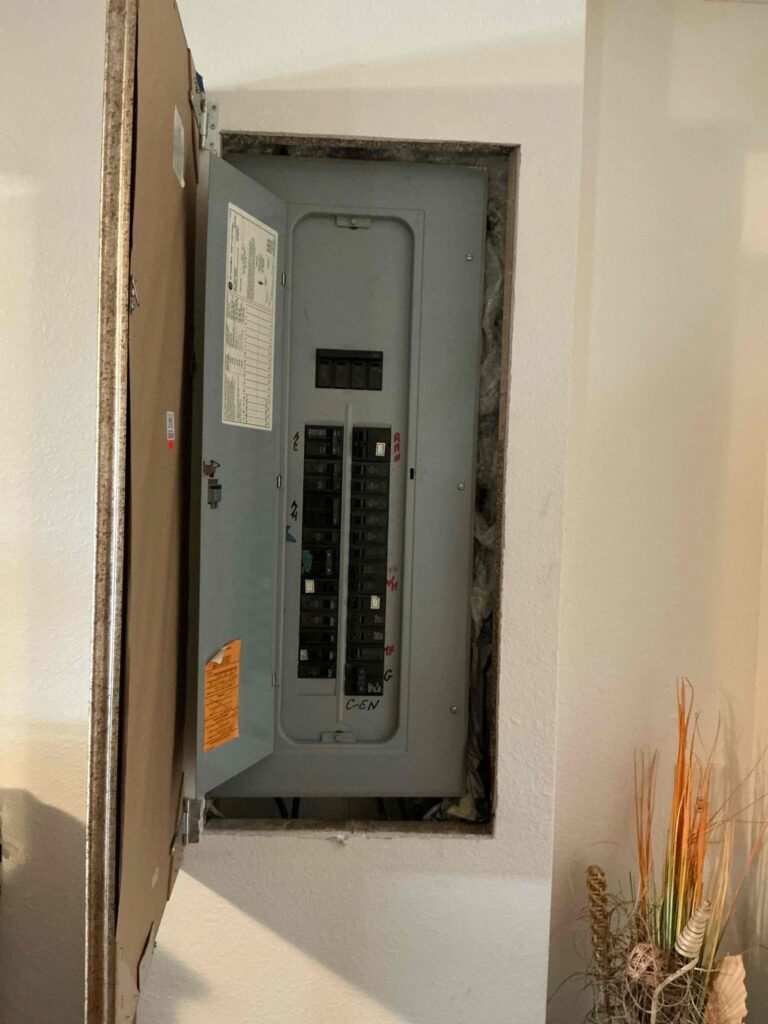
The existing GE 150-amp panel was operational, but it had a few areas that didn’t meet current code. Notably, AFCI (arc-fault circuit interrupter) breakers were missing from circuits where NEC 210.12 now requires them. A missing 2-inch bushing on a knockout left a wire entry point without proper protection. The panel also had a polarity tap concern. These are common findings in panels installed before the mid-2000s code cycles.
The grounding system was present but flagged as predating current standards — a condition typical of homes from this era. The meter can condition also showed wear consistent with its age.
Branch Circuit and Device Findings
Several outlets and switches throughout the home had been backstabbed — meaning the wires were pushed into spring-loaded rear slots rather than wrapped around the screw terminals. That installation method was widely used before roughly 2005. Over time, the spring tension in those connections can ease, contact resistance climbs, and intermittent issues follow. The kitchen had an outlet that lacked GFCI protection, and the master bathroom outlet replacement had stalled mid-project. The pool equipment circuits were also missing GFCI protection — something NEC 210.8 now requires. Some wires entering boxes lacked proper strain-relief connectors.
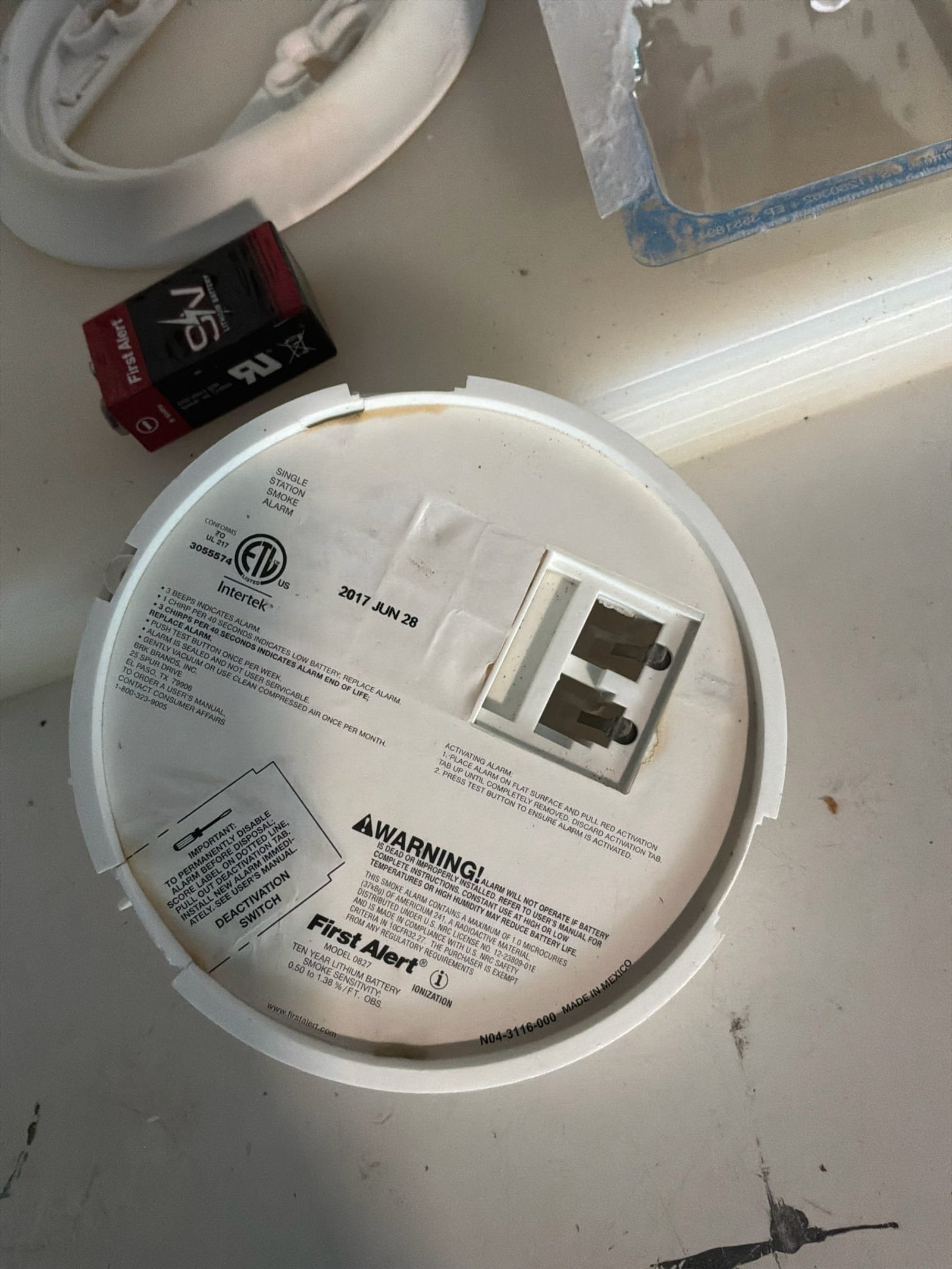
Finally, the home had no whole-home surge protection, and smoke/CO detector coverage was incomplete in several required areas.
What We Fixed
The field team worked through each finding systematically.
Panel work: Our technician installed a Square D HOM115 single-pole 15-amp breaker and a Square D HOM240 two-pole 40-amp breaker to replace aging or improperly sized units. A GE THQP230 two-pole 30-amp breaker was added as well. The missing bushing and panel directory items were addressed, bringing the enclosure in line with NEC 408.4 circuit-identification requirements.
Surge protection: A PSP Vortex 120 kA whole-home surge protector was installed directly onto the Square D HomeLine panel. This Type 2 SPD meets NEC 230.67, which now requires surge protection at the service for new and upgraded dwelling units. Every appliance, television, computer, and HVAC component in the home now has a first line of defense against voltage spikes — whether from nearby lightning or grid fluctuations.
Outlet and switch work: The stalled bathroom outlet project was completed with a proper old-work remodel box, a tamper-resistant 15-amp single receptacle, and a secure wall plate. A decorator-style 15-amp switch was also replaced at an existing location. Per NEC 406.4(D), replacement receptacles must meet current tamper-resistant requirements — so the new outlet is fully code-compliant.
Smoke and CO detectors: Five 10-year sealed lithium smart smoke/CO combination detectors were installed throughout the home, covering the areas that had been flagged as missing coverage. These units interconnect, so if one detector activates, all of them respond — giving everyone in the household advance notice from wherever they happen to be.
Cord cap: A new NEMA 5-15P cord cap was installed on an existing cord to restore a clean, properly terminated connection.
Why This Seminole Surge Protection Matters for Homeowners
Homes built in the 1970s through the early 2000s were wired to the code of their era. That code was sound at the time. Today’s NEC standards reflect decades of additional research and real-world experience, so updating older homes is less about correcting mistakes and more about giving a family the benefit of everything that’s been learned since.
For this household, the PSP Vortex surge protector means the fridge, the AC, the smart TV, and the home office equipment all ride through Florida’s lightning season without skipping a beat. That’s a meaningful comfort upgrade — not just a checkbox.
Meanwhile, the five interconnected smoke/CO detectors mean the whole home knows at once if anything changes. Whether the family is asleep, cooking dinner, or the kids are doing homework in the back bedroom, every room gets the same signal at the same time. Additionally, the completed bathroom outlet and the properly terminated wiring mean there are no half-finished projects quietly waiting to cause an inconvenience down the road. In short, the home now runs the way the household expects it to — quietly, reliably, through every storm and season.
For homeowners in Seminole and the surrounding Pinellas County area, the Electrical Safety Foundation International recommends periodic reviews of older homes’ electrical systems — especially after major storms or before significant renovations. Florida’s licensed contractor lookup is available through the Department of Business and Professional Regulation for anyone who wants to verify a contractor’s credentials before scheduling work.
Code Compliance Cited in This Job
Every fix above maps to a specific section of NEC 2023. Each card links to NFPA’s public NEC index.
GFCI Protection for Personnel
This job found that the pool equipment circuits and the master bathroom lacked GFCI protection — both areas specifically listed under NEC 210.8 for dwelling units. GFCI protection in wet and outdoor locations is a requirement that postdates the original wiring of many Florida homes built in the 1970s–1990s. Bringing these circuits into compliance adds a layer of protection consistent with today’s standards. NFPA reference ›
AFCI Protection
The inspection found that the GE 150-amp panel was missing AFCI breakers on branch circuits where NEC 210.12 now requires them, including bedroom and living-area circuits. AFCI requirements were phased in through successive code cycles beginning in 1999 and expanding significantly in 2014 and 2020. Installing Square D HomeLine AFCI-capable breakers brings those circuits up to current NEC 2023 requirements. NFPA reference ›
Surge Protective Devices at Services
No whole-home surge protection was present at the time of inspection. NEC 230.67 now requires a listed SPD at the service for all new and upgraded single-family dwelling installations. The PSP Vortex 120 kA whole-home surge protector installed on this visit satisfies that requirement and protects downstream appliances and electronics from transient voltage events. NFPA reference ›
Replacement Receptacle Requirements
When an existing receptacle is replaced in a dwelling, NEC 406.4(D) requires the replacement to meet current code — including tamper-resistant construction. The bathroom receptacle installed during this visit is a tamper-resistant 15-amp single receptacle, meeting the requirement. This ensures that replacement work doesn’t simply replicate the conditions of an older installation. NFPA reference ›
Tamper-Resistant Receptacles in Dwellings
NEC 406.12 requires tamper-resistant receptacles throughout dwelling units. The inspection confirmed the home’s outlet inventory was reviewed against this requirement. The newly installed bathroom receptacle and any replacement devices installed during this visit conform to TR specifications, consistent with the 2008 and later code cycles that made tamper resistance standard in all rooms. NFPA reference ›
Circuit Directory and Identification
The panel inspection noted labeling and identification concerns consistent with a panel that had been modified over the years. NEC 408.4 requires every circuit in a panelboard to be legibly identified as to its purpose. The team addressed the directory and bushing issues to ensure the panel enclosure is properly identified and all openings are secured. NFPA reference ›
Common Questions
Questions homeowners ask after seeing this kind of work.
What are backstabbed outlets and why should they be replaced?
Backstabbed outlets use spring-loaded rear slots instead of screw terminals to hold the wires in place. That method was common in homes wired before roughly 2005. Over time the spring tension can ease, which raises contact resistance and leads to the kind of intermittent flicker or circuit issue this homeowner described. Replacing them with screw-terminated connections is a straightforward fix that restores a reliable, durable connection. If your outlets are from that era, it’s worth having a licensed electrician take a look. Schedule online to get on the calendar.
Do I really need a whole-home surge protector if I already use power strips?
Power strips with built-in suppressors protect only the devices plugged directly into them — and most are rated for a single event before they need replacing. A whole-home Type 2 surge protector like the PSP Vortex installs at the panel and intercepts voltage spikes before they reach any circuit in the house, including your AC, refrigerator, and built-in appliances that can’t use a strip at all. Florida’s lightning season makes panel-level surge protection especially practical. Book a surge protection consultation to find out what fits your panel.
How often should I have my home’s electrical system inspected?
A yearly inspection is a good baseline for most homeowners. Homes built before 1990 — or homes that have been through recent storm seasons — often benefit from inspections more frequently, since older wiring and components may need attention sooner. An annual check keeps small findings from becoming larger ones and keeps the household running without surprises. Schedule online to book your next inspection.
Why do pool equipment circuits need GFCI protection?
Water and electricity require extra care wherever they’re close together, and NEC 210.8 specifically lists pool and spa equipment among the locations requiring GFCI protection. Many Florida homes were wired before those requirements covered pool circuits as broadly as they do today. Adding GFCI protection to pool equipment is one of the more straightforward updates that brings an older home in line with current standards. If your pool wiring predates the mid-2000s code updates, it’s worth confirming coverage. Book a pool wiring check with our team.
Are smart interconnected smoke detectors worth the upgrade over basic units?
Basic smoke detectors only alarm at the unit where smoke is detected. Interconnected smart detectors communicate with each other — so if the kitchen unit activates, every detector in the house sounds at once, including units in bedrooms at the opposite end of the home. NFPA 72 sets the standard for smoke alarm placement and interconnection in residential buildings, and interconnected coverage is consistent with its recommendations. Five detectors were installed in this Seminole home to cover all required areas. Schedule online if you’d like a detector audit for your home.
Want to see more real jobs like this one? Browse our completed case studies or explore our services.