A homeowner in St. Petersburg, FL contacted Thomas Edison Electric about a GFCI outlet that needed replacement. Our technician our field team responded the same week and installed a new 20-amp tamper-resistant weather-resistant GFCI receptacle at the existing location. As a result, the upgrade brings the outlet in line with current NEC standards for both safety and durability.
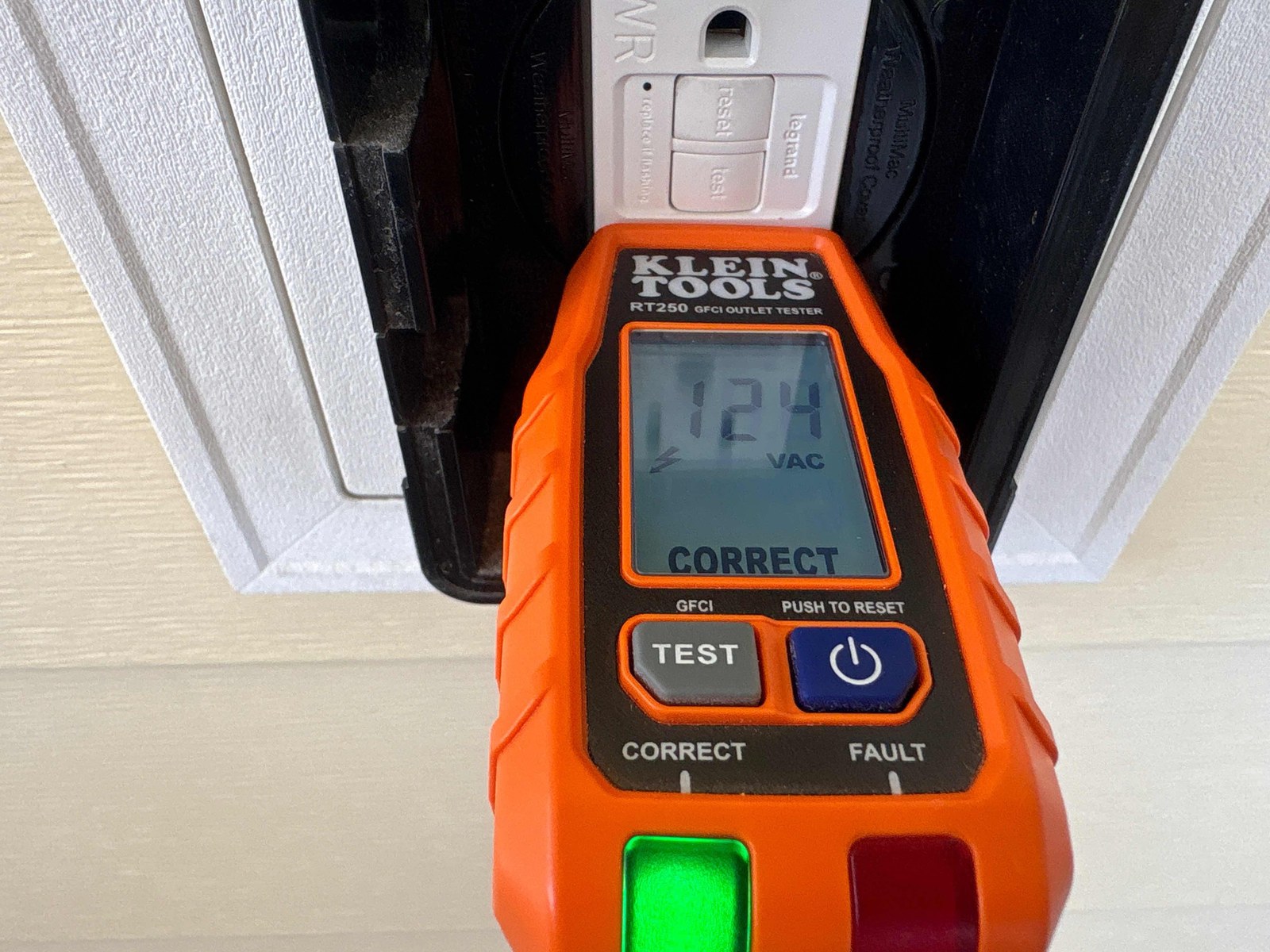
The Problem
“Client has a GFI outlet that needs to be replaced.”
The homeowner reported that their existing GFCI outlet was no longer functioning properly. However, they didn’t specify whether the issue was a tripped breaker, a failed test/reset mechanism, or complete power loss to the outlet.
Investigation
Ian arrived at the St. Petersburg home and confirmed the GFCI outlet needed replacement. Additionally, he identified an opportunity to upgrade to a more robust device. The existing outlet appeared to be an older-generation GFCI that predated current weather-resistance and tamper-resistance requirements.
Modern GFCI Features Beyond Basic Protection
Modern GFCI outlets serve multiple functions beyond ground-fault protection. In fact, they now include self-testing capabilities and enhanced environmental protection. The location of this particular outlet made weather-resistance especially important for long-term reliability.
What We Fixed
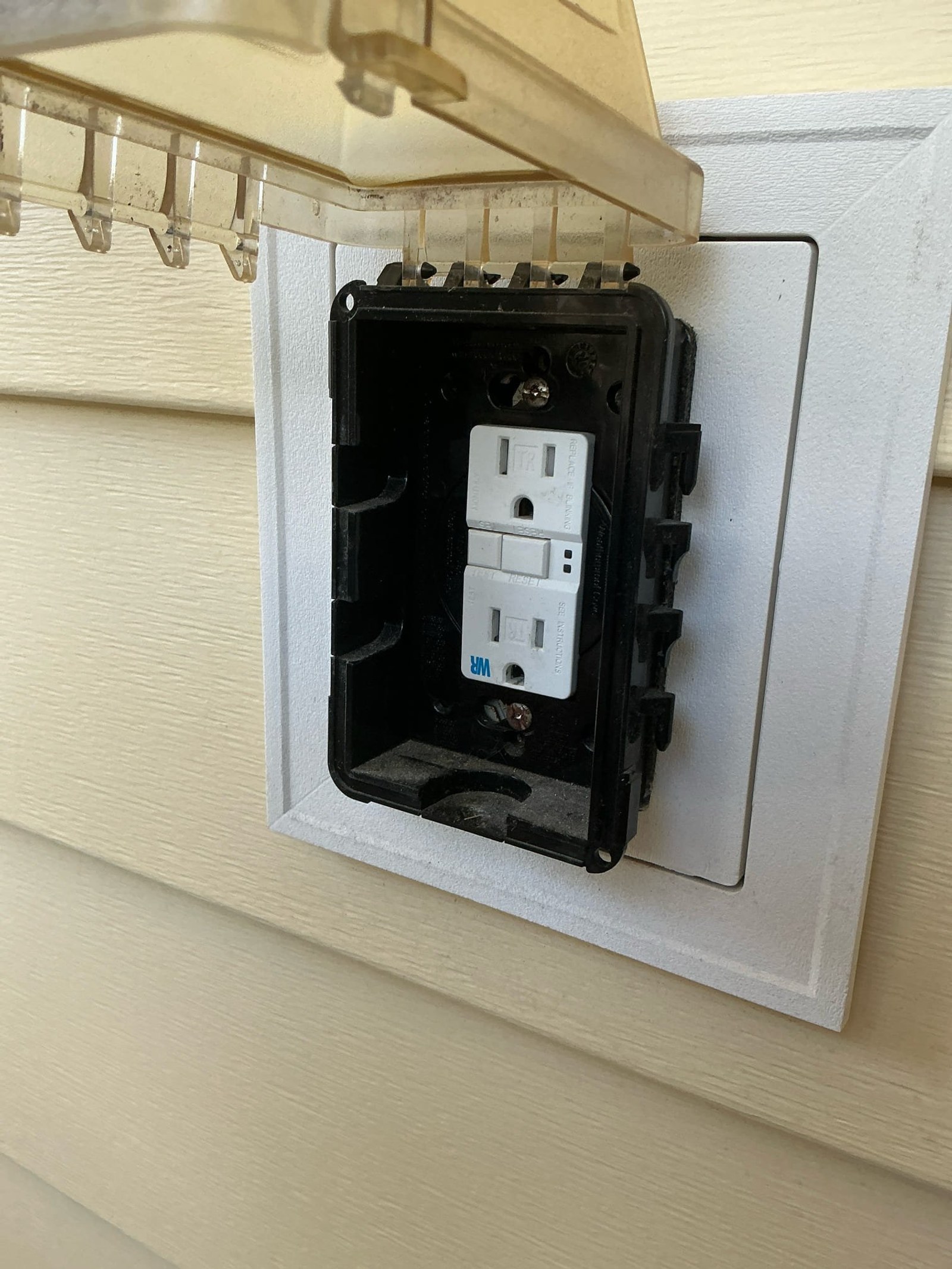
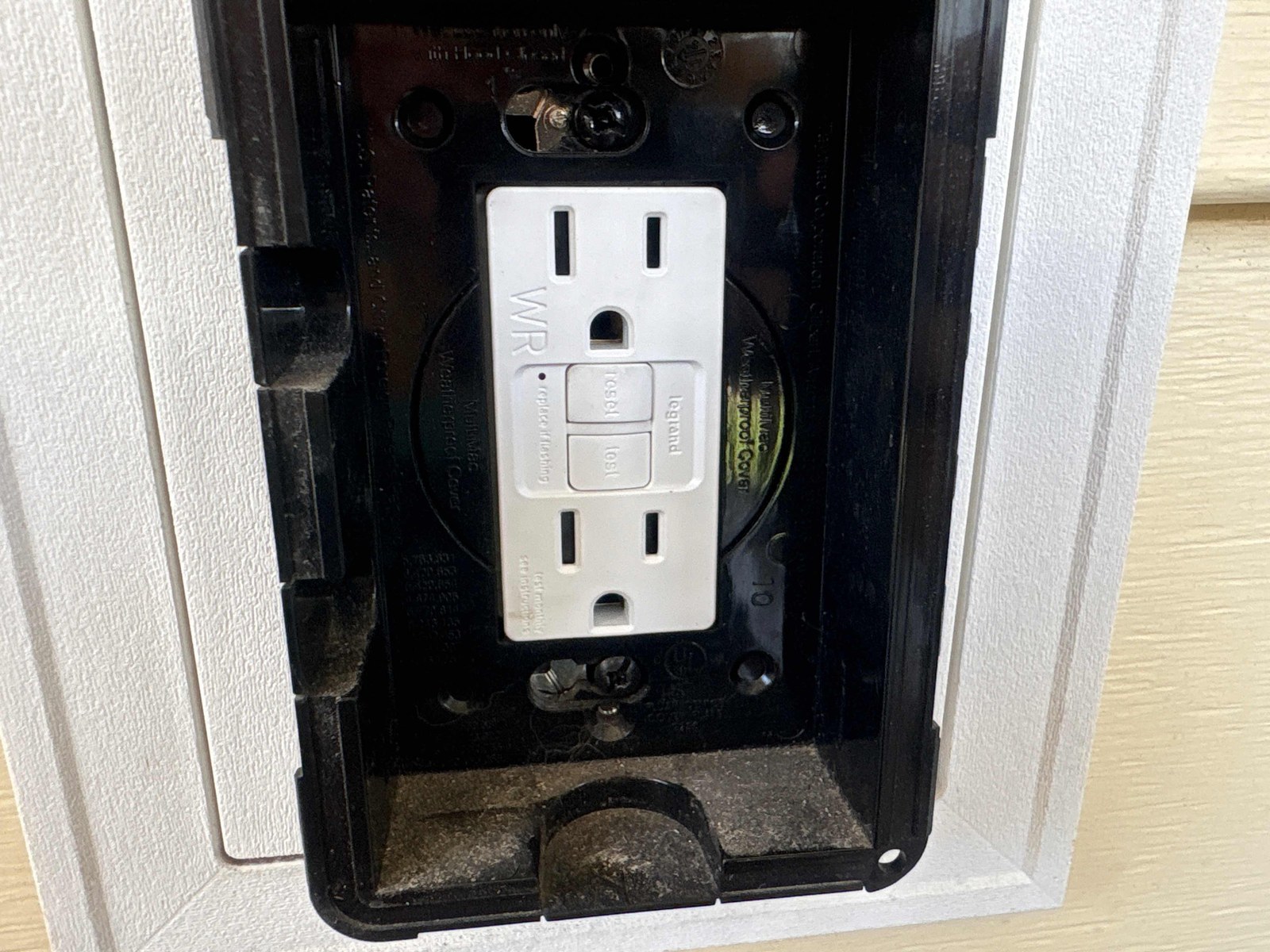
We installed a new Pass & Seymour 2097-TRWRW 20-amp GFCI receptacle at the existing location. This device combines several key features:
- Ground-fault protection that trips in 4-6 milliseconds when it detects current imbalance
- Self-test functionality that automatically verifies the GFCI mechanism monthly
- Tamper-resistant shutters that prevent foreign objects from being inserted into the slots
- Weather-resistant construction rated for outdoor and high-moisture indoor applications
- 20-amp capacity suitable for higher-load appliances and tools
Professional Installation Process for Safety
The installation involved safely turning off power at the breaker, removing the old device, and connecting the new GFCI using proper line and load wiring. Next, we verified proper operation using both the test and reset buttons before restoring full power. Simple electrical work still deserves careful attention to detail to ensure everything is installed safely and correctly. This is why we include a full electrical safety inspection for all of our Clearwater, FL clients.
Why This Matters for Homeowners
GFCI outlets are your first line of defense against electrical shock in areas where water and electricity might mix. However, older GFCI devices can wear out over time, especially in outdoor or high-moisture locations.
Self-Testing Technology Provides Peace of Mind
The self-test feature in modern GFCI outlets like the Pass & Seymour unit provides ongoing peace of mind. If the internal mechanism fails, the device will automatically shut off power and display a visual indicator. Meanwhile, the weather-resistant construction helps prevent moisture infiltration that could compromise both safety and reliability.
Tamper-Resistant Protection for Family Safety
Tamper-resistant outlets add another layer of protection, particularly important in homes with young children. The internal shutters require simultaneous pressure from both prongs of a plug. This makes it much more difficult for curious fingers or foreign objects to make contact with live electrical parts. For example, this same safety-first approach applies to our whole-house surge protection in Clearwater, FL installations. Moreover, homeowners concerned about outdoor electrical safety should consider our pool and hot tub electrical wiring in Clearwater, FL services for comprehensive protection.
Common Questions
Questions homeowners ask after seeing this kind of work.
How often should GFCI outlets be replaced?
Most GFCI outlets last 10-15 years, though outdoor and high-moisture locations may wear out sooner. Modern self-testing GFCIs will indicate failure with a visual warning, but older models can fail silently. If your GFCI is more than a decade old or in a wet location, schedule a quick assessment with a Clearwater electrician.
What’s the difference between weather-resistant and tamper-resistant outlets?
Tamper-resistant outlets have internal shutters that block foreign objects from entering the slots, protecting curious children. Weather-resistant outlets are sealed against moisture and corrosion for outdoor or high-humidity use. Modern code requires both features in most locations, and the Pass & Seymour 2097-TRWRW we installed in St. Petersburg combines both.
Where does NEC require GFCI outlets in a home?
Current NEC standards require GFCI protection in bathrooms, kitchens (within 6 feet of a sink), garages, outdoors, crawl spaces, unfinished basements, laundry areas, and around pools or hot tubs. If your home is older, a safety inspection can identify locations that need updating.
Why upgrade to a 20-amp GFCI instead of 15-amp?
A 20-amp GFCI handles higher-draw appliances like power tools, vacuums, and certain kitchen equipment without nuisance tripping. As long as the wiring is rated for 20 amps (12-gauge), upgrading provides more flexibility for future use. Our St. Petersburg installation used a 20-amp unit to match the existing circuit capacity.
Can I replace a GFCI outlet myself?
While the work appears simple, GFCI replacement involves working with live electrical components and getting the line/load wiring correct. A miswired GFCI won’t trip properly during a fault, leaving you exposed to shock. We always recommend hiring a licensed electrician for outlet work – contact our Clearwater team for a quote.