This Clearwater home inspection case study walks through the real diagnosis, the fix, and the code details from a recent service call. A homeowner in Clearwater, FL called us after their garbage disposal outlet stopped working following flood repairs. What started as a single dead outlet turned into a full safety inspection — and our field team found several areas worth modernizing before the home could meet current code.
The Problem
After flood damage prompted the homeowner to relocate several outlets, the city inspection flagged the need for GFCI-type protection on indoor circuits. On top of that, the garbage disposal outlet in the kitchen had gone completely dead.
“The city told me I needed GFI breakers for the indoor circuits. I also have a kitchen outlet that stopped working after all the flood repairs.”
Investigation
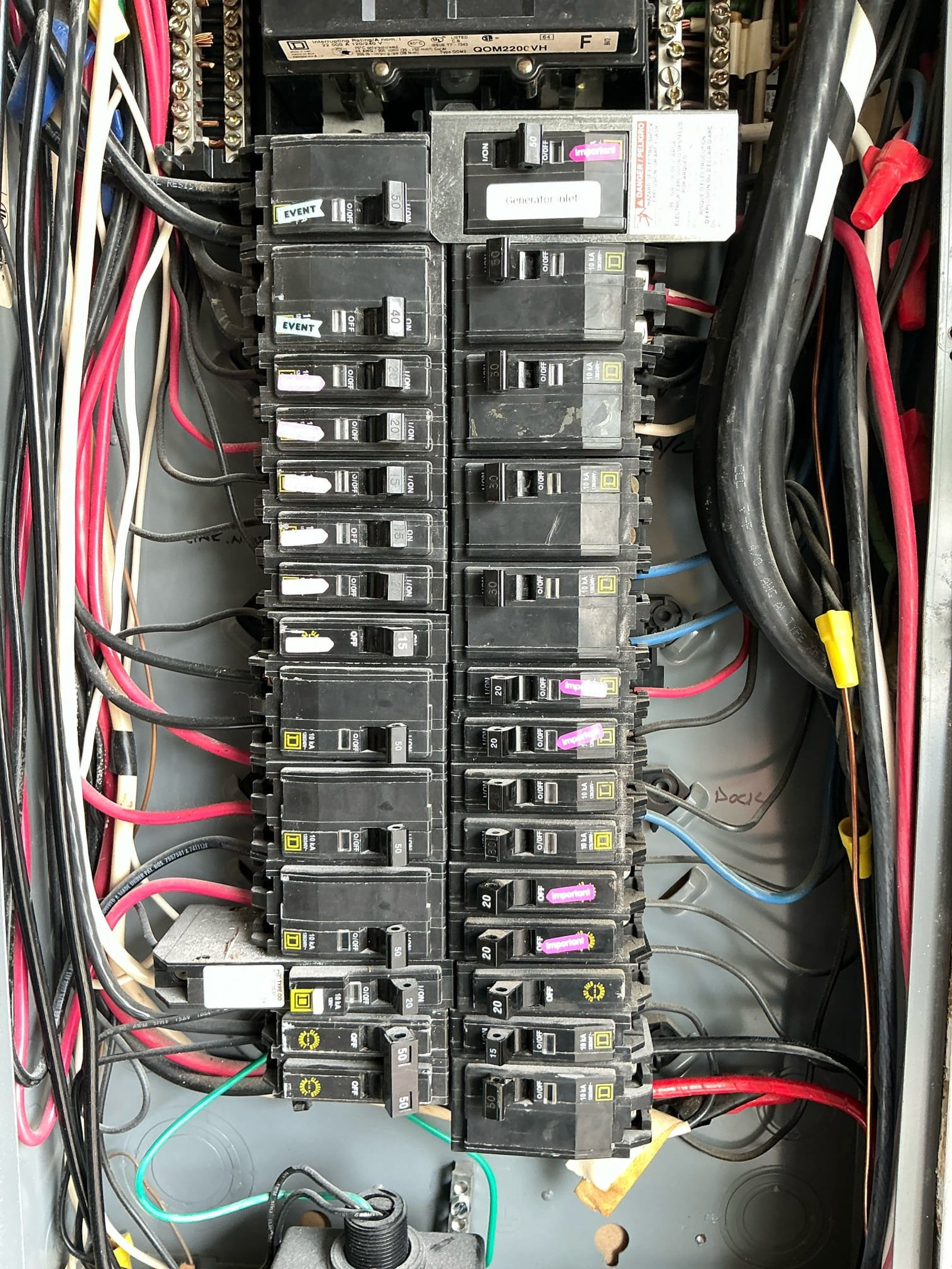
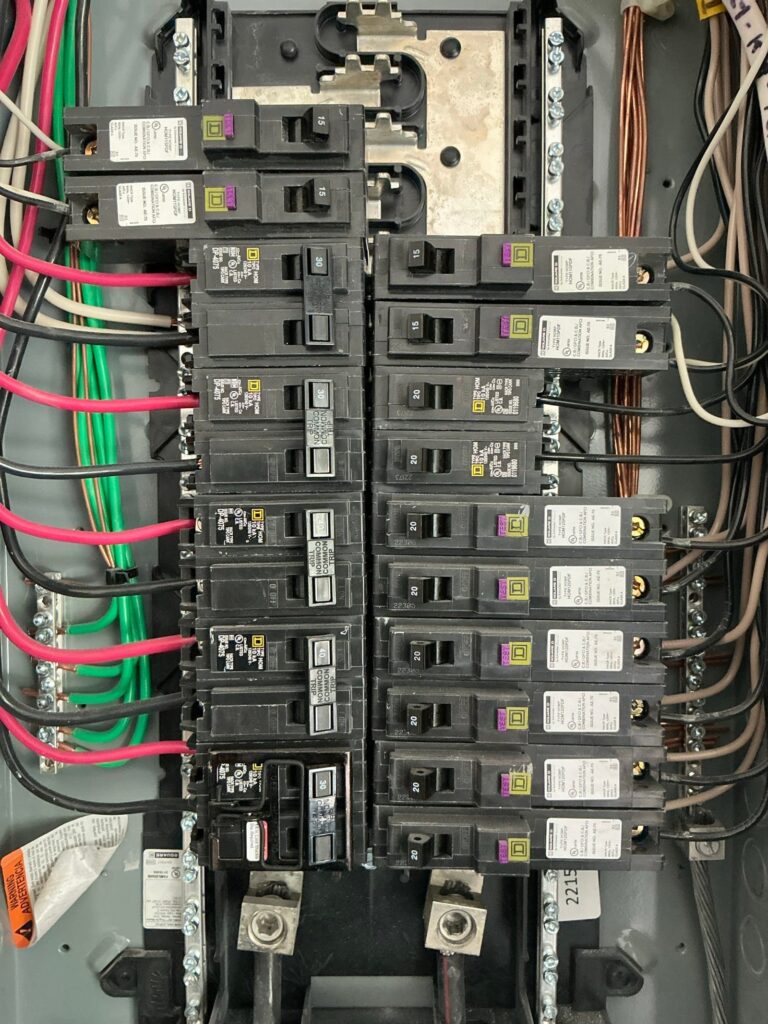
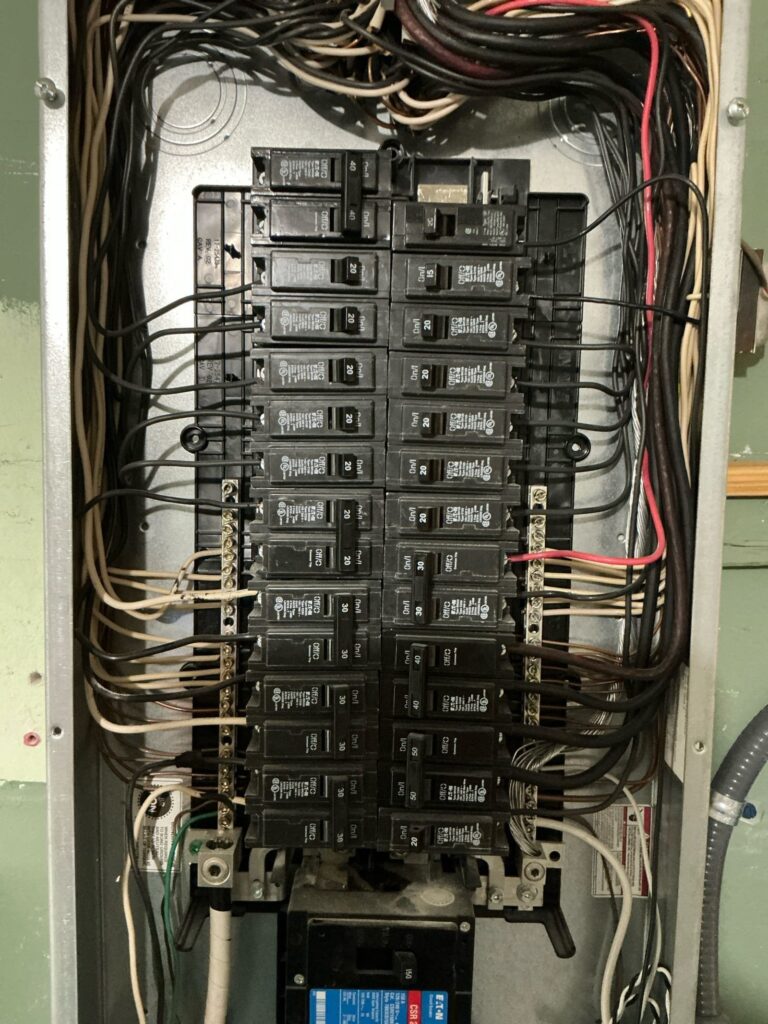
Our technician on-site started at the Square D QO 125-amp panel and worked outward through the kitchen and common areas. Here is what the inspection turned up:
Kitchen Circuit Findings
The dead outlet traced back to an upstream GFCI receptacle that had tripped and was no longer resetting reliably. More importantly, none of the kitchen counter receptacles had GFCI protection — a requirement under NEC 210.8 that applies to all kitchen receptacles serving countertop surfaces. That means the garbage disposal circuit, along with the counter outlets, lacked the ground-fault protection that current code requires.
Backstabbed Connections
Several outlets were wired using the backstab method — a common shortcut in homes wired or re-wired before roughly 2005. Over time, the spring-clip tension in backstabbed connections loosens, contact resistance climbs, and you get the kind of intermittent or dead outlet the homeowner described. Replacing these with proper screw-terminal connections is a straightforward, durable fix.
Panel-Level Observations
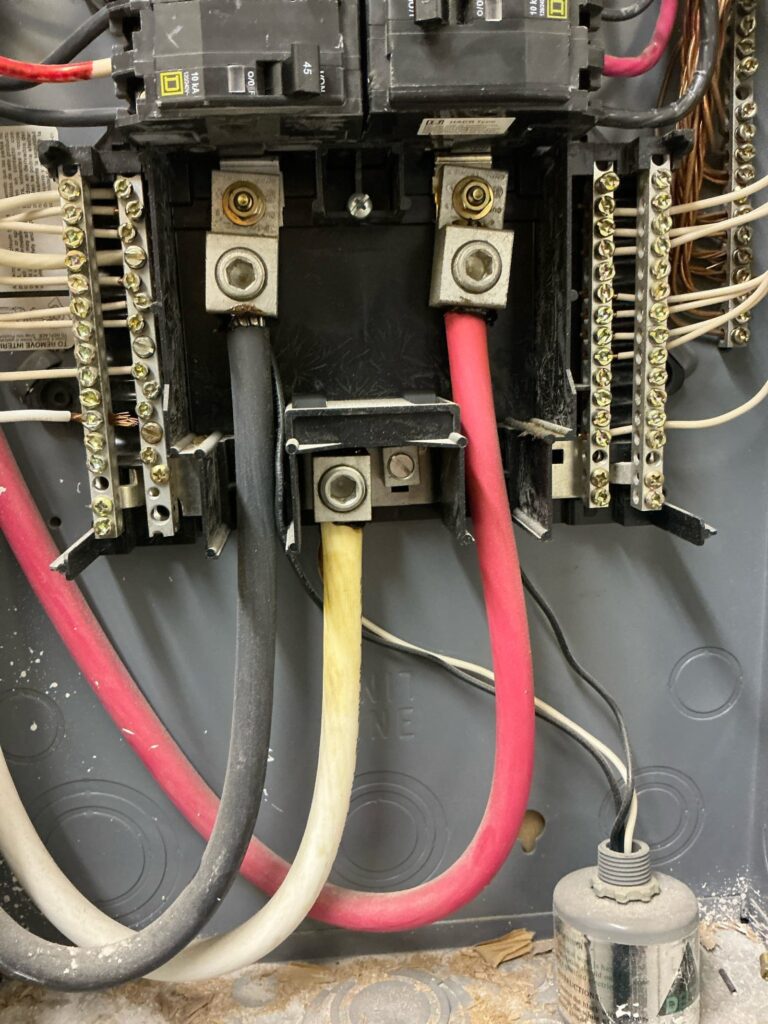
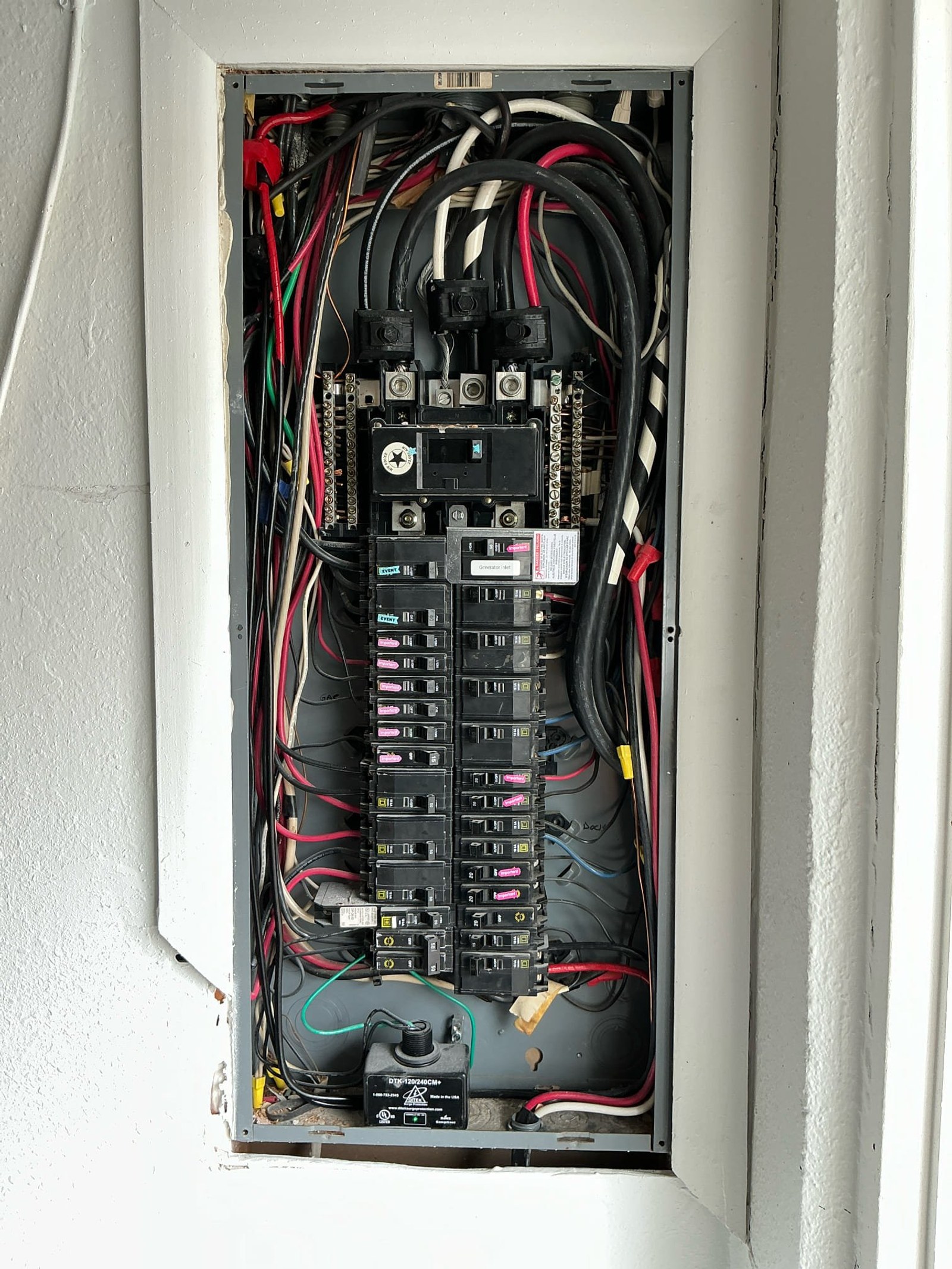
The Square D QO 125-amp panel itself was in reasonable condition — breakers were properly sized, no double-taps, no open knockouts, and no corrosion on the bus. However, the inspection confirmed that AFCI protection was absent on branch circuits where NEC 210.12 now calls for it. Additionally, no whole-home surge protective device was present, and the grounding system showed some signs of age that are worth addressing in a follow-up visit.
Smoke Detectors
The existing smoke detectors did not meet current placement or interconnect requirements under NFPA 72. Upgrading to 10-year sealed lithium combination smoke/CO detectors with full interconnect would bring the home in line with today’s standards.
What We Fixed
On this visit, our team investigated each finding and presented the homeowner with a clear set of options. Specifically, we documented the following recommendations:
- Kitchen GFCI protection: Replace existing kitchen counter receptacles with GFCI-protected outlets to satisfy NEC 210.8 and the city inspection requirement.
- Backstabbed outlet corrections: Re-device affected outlets and switches using screw-terminal connections for lasting, reliable contact.
- AFCI breaker upgrades: Swap applicable breakers in the Square D QO panel for combination AFCI breakers to meet NEC 210.12 on living-area and bedroom circuits.
- Smoke/CO detector refresh: Install 10-year sealed lithium combination detectors, interconnected throughout the home, per NFPA 72.
- Grounding system review: Evaluate and update the grounding electrode system to current standards under NEC 250.50 and NEC 250.52.
- Whole-home surge protection: Add a Type 2 SPD at the service per NEC 230.67 to protect appliances and electronics.
After reviewing all findings, the homeowner chose to schedule the repair work at a later date. Every recommendation was documented so the homeowner has a clear roadmap when they are ready to move forward.
Why This Clearwater Home Inspection Matters for Homeowners
Many homes in Clearwater were wired — or re-wired after storm and flood events — under older code cycles. The GFCI and AFCI requirements that the city flagged are consistent with upgrades made to the NEC over the past two decades. None of this reflects poor workmanship at the time; it simply reflects how standards have evolved. Furthermore, bringing these items current is less about fixing something broken and more about giving the home the reliability it deserves.
For this household, the kitchen is the heart of daily life. A working garbage disposal, dependable counter outlets, and detectors that talk to each other room-to-room mean the family can cook dinner, charge devices, and go about their morning routine without a second thought. Additionally, whole-home surge protection means the refrigerator, TV, and any connected appliances ride out Clearwater’s afternoon lightning storms without skipping a beat.
Above all, once these items are addressed and inspected, the homeowner will have a permitted, code-current electrical system — and the peace of mind that comes with knowing a licensed electrician has already taken care of it. Our team at Thomas Edison Electric holds Florida electrical contractor license EC13015487, so every repair we complete is backed by a licensed professional and documented for permit records.
Code Compliance Cited in This Job
Every fix above maps to a specific section of NEC 2023. Each card links to NFPA’s public NEC index.
GFCI Protection for Personnel
NEC 210.8 requires GFCI protection on all kitchen countertop receptacles in dwelling units. In this Clearwater home, the kitchen counter outlets — including the garbage disposal circuit — lacked this protection, which is why the city inspection flagged them. Installing GFCI receptacles or GFCI breakers on those circuits brings the home into compliance. NFPA reference ›
AFCI Protection
NEC 210.12 requires arc-fault circuit-interrupter protection on branch circuits supplying outlets in dwelling-unit living areas, bedrooms, kitchens, and similar spaces. The inspection confirmed no AFCI protection was present on the applicable circuits in this home. Upgrading the Square D QO panel with combination AFCI breakers addresses this gap. NFPA reference ›
Surge Protective Device at Service
NEC 230.67 requires a surge protective device at the service of a dwelling unit. No SPD was present in this Clearwater home’s Square D QO 125-amp panel. Adding a whole-home Type 2 SPD at the panel satisfies this requirement and protects connected appliances and electronics from voltage transients. NFPA reference ›
Type 2 SPD Installation
NEC 285.25 governs how a Type 2 surge protective device is connected at the load side of the service disconnect. When the homeowner is ready to proceed, the SPD will be installed at the Square D QO panel in accordance with this section, ensuring the device is properly rated and connected. NFPA reference ›
Grounding Electrode System
NEC 250.50 requires that all grounding electrodes present at a structure be bonded together into a single grounding electrode system. The inspection noted the grounding system showed signs of age and warranted review. Evaluating and updating the electrode system ensures the home’s electrical reference to earth meets current requirements. NFPA reference ›
Replacement Receptacle Requirements
NEC 406.4(D) requires that replacement receptacles meet current code requirements, including GFCI protection where applicable. When the backstabbed kitchen outlets are re-deviced in this Clearwater home, the replacement receptacles must be GFCI-protected and tamper-resistant, consistent with this section. NFPA reference ›
Common Questions
Questions homeowners ask after seeing this kind of work.
Why do kitchen outlets need GFCI protection even if they seem to be working fine?
Kitchen countertop circuits are near water sources, so current code — specifically NEC 210.8 — requires GFCI protection regardless of whether an outlet appears functional. A working outlet without GFCI protection simply lacks a layer of safety that today’s standards call for. If your kitchen outlets predate a recent renovation or were installed before the 2002 code cycle, it’s worth having a licensed electrician confirm they meet current requirements. Schedule online and we can check it in one visit.
What are backstabbed outlets and why do they cause problems over time?
Backstabbed outlets use a spring-clip terminal on the back of the device rather than a screw terminal on the side. This was a common installation shortcut in homes wired before roughly 2005. Over time the spring tension relaxes, contact resistance increases, and outlets can become intermittent or stop working entirely — exactly what this Clearwater homeowner experienced. Re-devicing with proper screw-terminal connections is a straightforward fix with lasting results. If you’re seeing flickering or dead outlets, schedule an inspection online so we can trace the cause.
How often should I have my home’s electrical system inspected?
A yearly inspection is a solid baseline for most homes. Homes built before 1990 and homes that have experienced flooding, storm damage, or major renovations may benefit from inspections more frequently. Annual checkups let a licensed electrician catch small items — a tripped GFCI, an aging smoke detector, a grounding concern — before they affect your daily routine. Book a safety check online and we’ll walk you through everything we find.
What does whole-home surge protection actually protect against in Florida?
Florida’s afternoon lightning season sends voltage spikes through utility lines that can stress appliances, HVAC systems, and electronics even when a direct strike doesn’t occur. A whole-home Type 2 surge protective device installed at the panel — required under NEC 230.67 — absorbs those transients before they reach your circuits. Your refrigerator, AC, and connected devices keep running smoothly through every storm season. Interested in adding surge protection? Schedule online and we’ll recommend the right device for your panel.
Do smoke detectors really need to be replaced or just tested periodically?
Testing is important, but detectors also have a service life. Most manufacturers and NFPA 72 guidance recommend replacing smoke detectors every ten years. Modern 10-year sealed lithium combination smoke/CO detectors with interconnect are a significant step up from older single-station units — when one alarm sounds, every detector in the home responds at the same time. If your detectors are more than a decade old or were installed before a recent renovation, our team can assess the whole home in one visit. Schedule online to get on the calendar.
Want to see more real jobs like this one? Browse our completed case studies or explore our services.