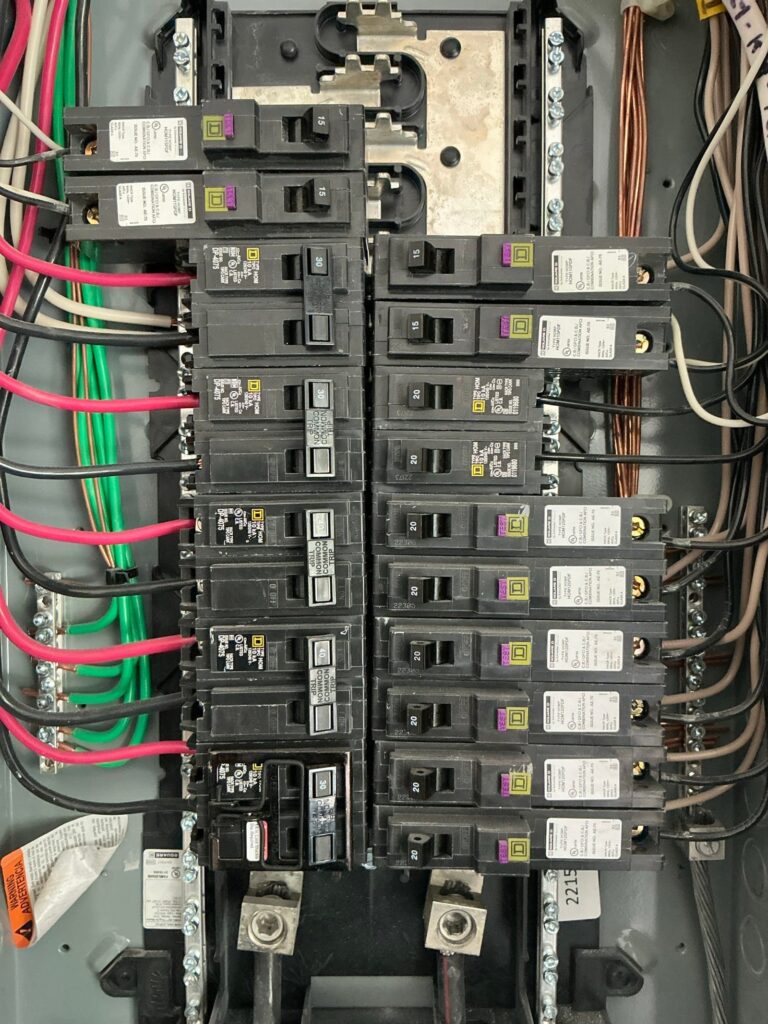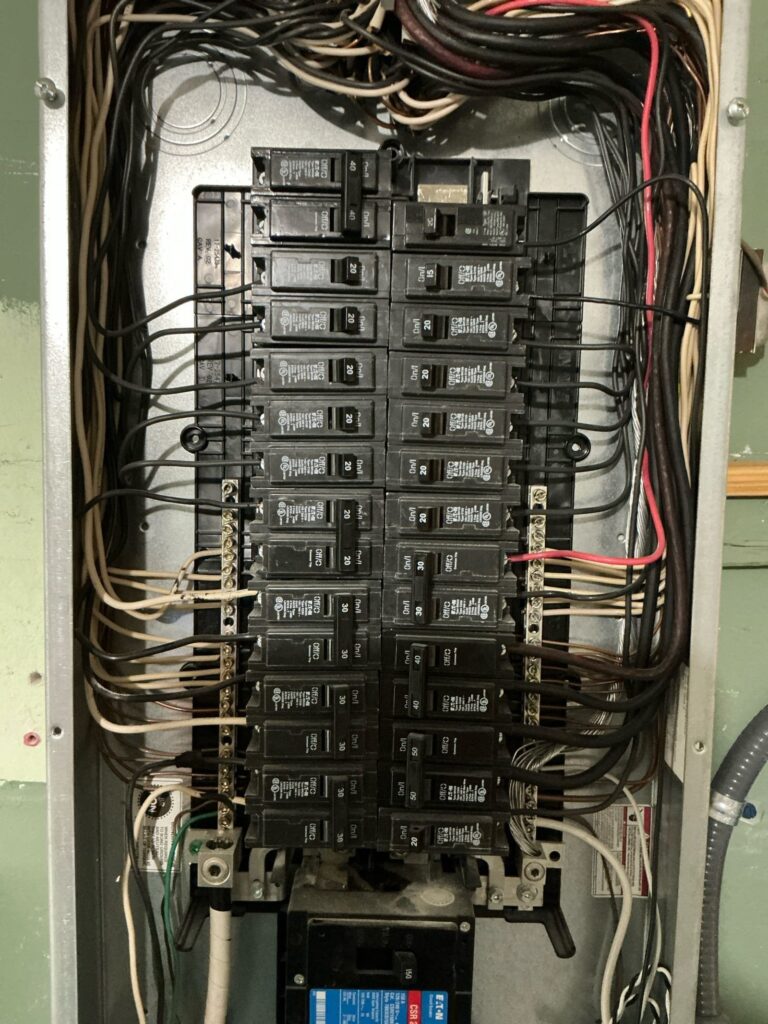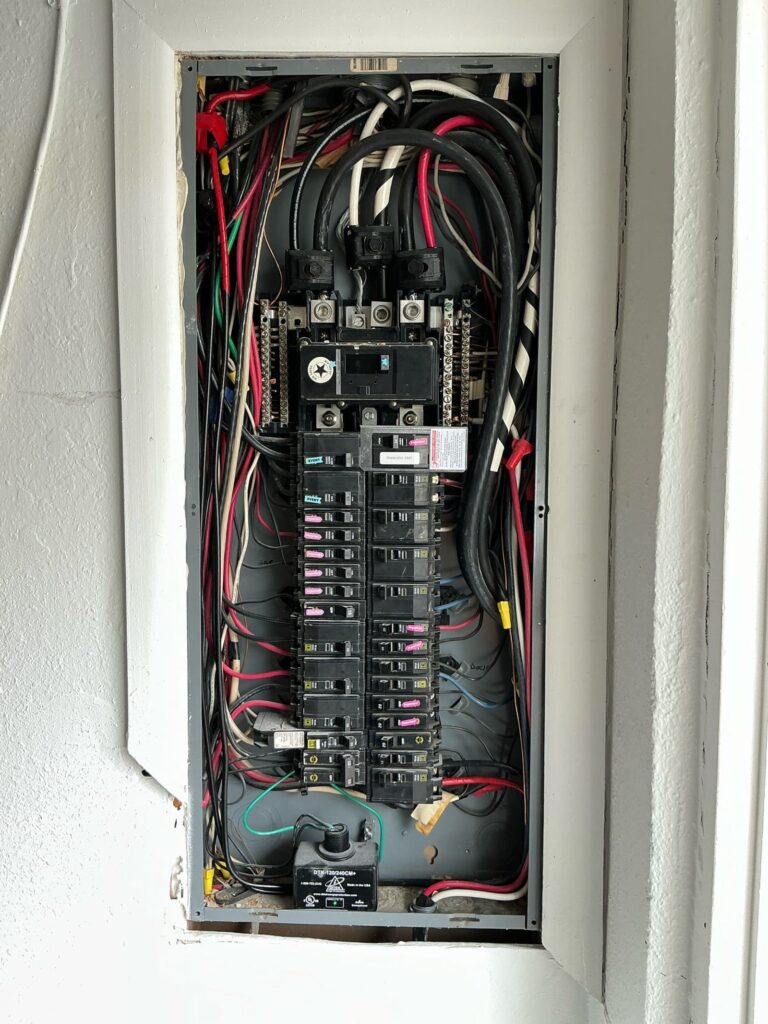
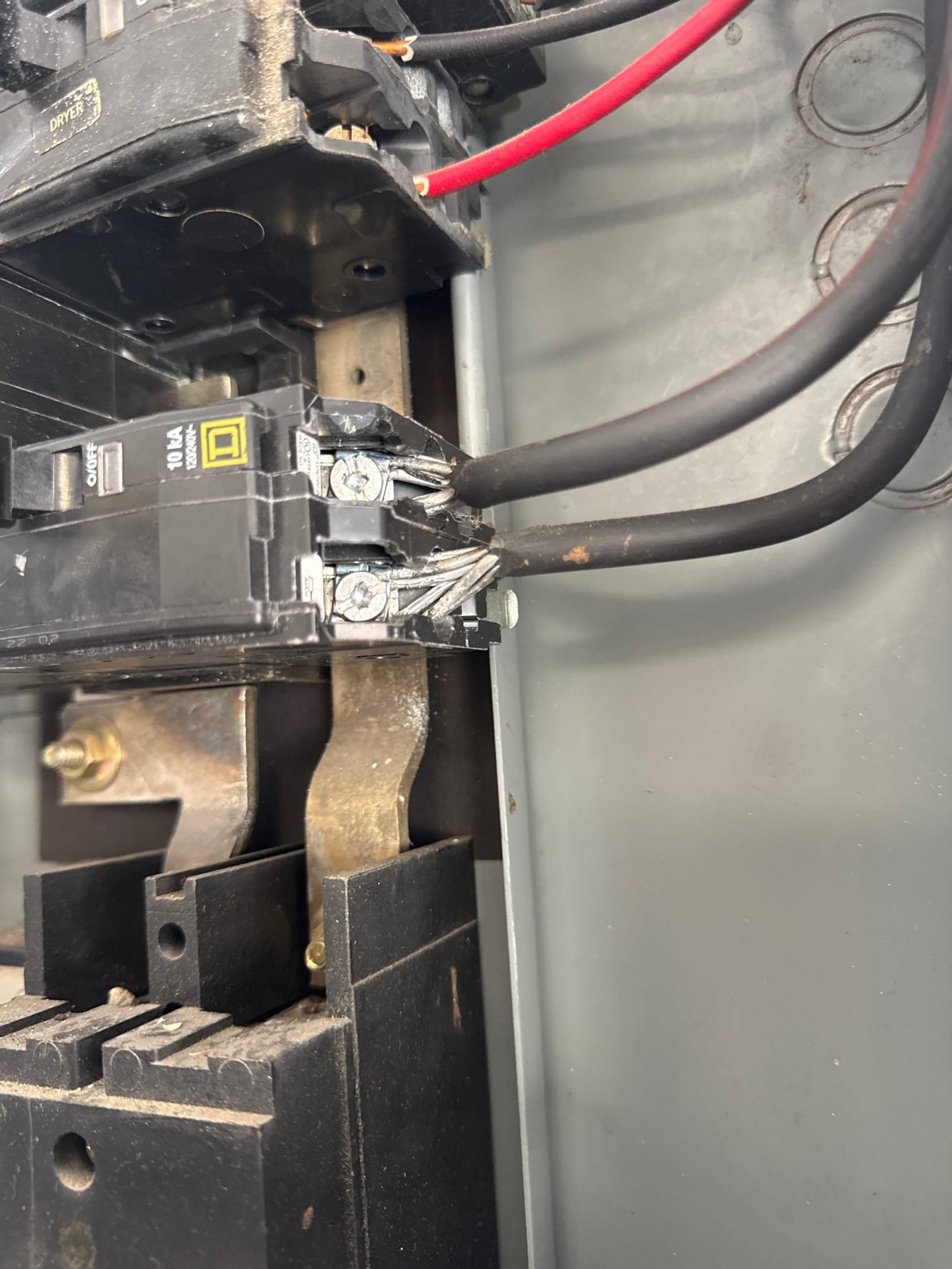
This Largo water heater breaker case study walks through the real diagnosis, the fix, and the code details from a recent service call. A homeowner in Largo, FL called after their newly installed water heater kept tripping the circuit breaker. What started as a straightforward breaker issue revealed opportunities to modernize the home’s electrical safety systems. In fact, our team resolved the tripping problem and upgraded the entire home with whole-house surge protection and interconnected smoke/CO detectors.
The Problem
> “Client added a new water heater and it keeps tripping the breaker”
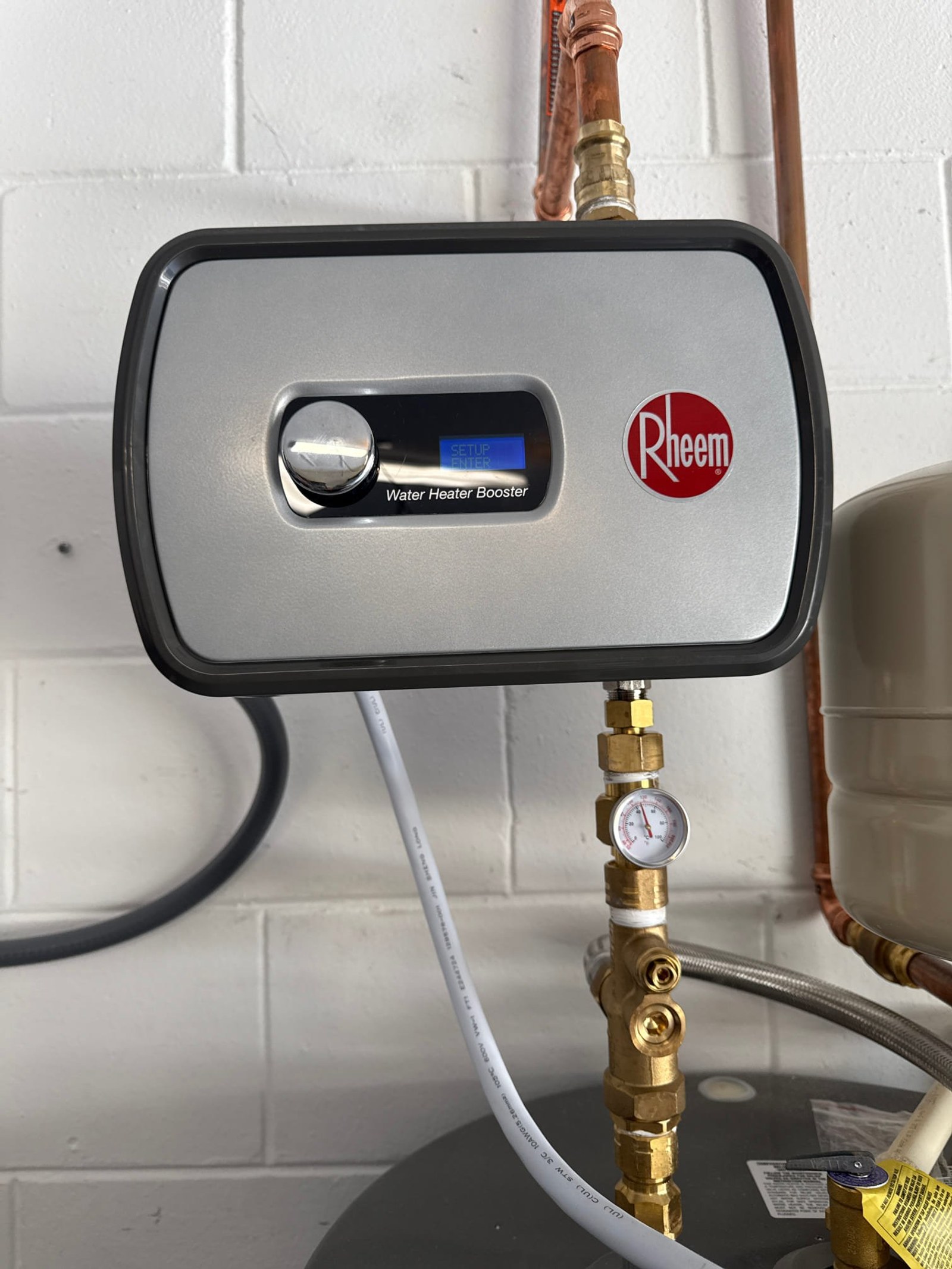
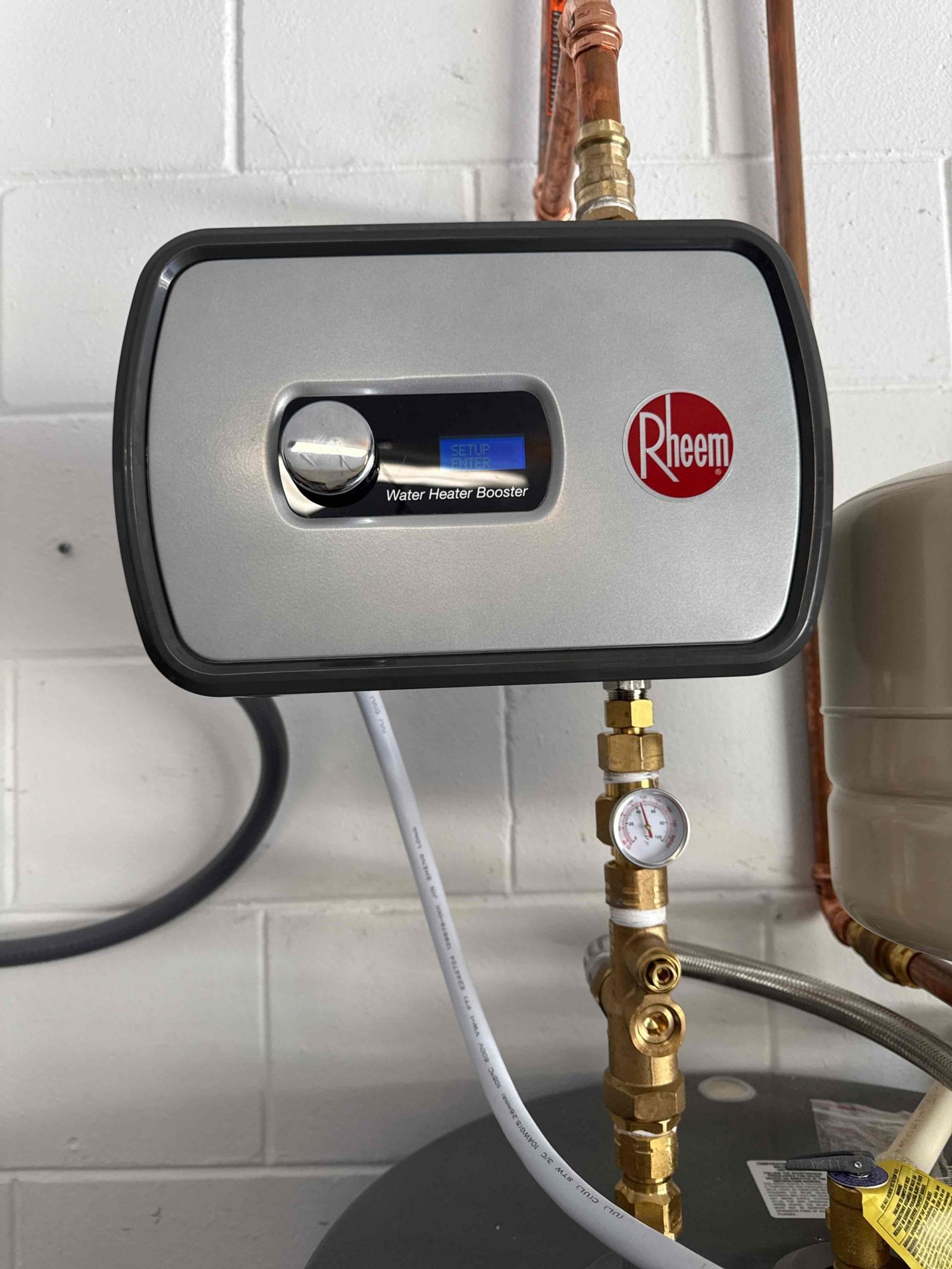
The homeowner had recently installed a new water heater, but the appliance wouldn’t stay running. Every time it cycled on, the circuit breaker would trip, leaving them without hot water.
Investigation
Our technician found that the original breaker was undersized for the new water heater’s electrical requirements. Additionally, the existing electrical infrastructure hadn’t been updated in years. The panel used older breaker technology that lacked modern safety features. Moreover, the home had no whole-house surge protection or interconnected smoke detection system.
Furthermore, several receptacles and switches throughout the home showed signs of age. These components needed replacement to meet current safety standards.
What We Fixed
Replacing the Undersized Water Heater Breaker
To start, we installed a new Square D HOM240 40-amp two-pole breaker to properly handle the water heater’s electrical load. This replaced the undersized breaker that was causing the tripping issue.
Adding Whole-House Surge Protection
Next, we added a PSP Vortex 120 kA whole-house surge protector to the panel. This device protects all connected appliances and electronics from power surges that could damage expensive equipment.
Installing Interconnected Smoke and CO Detectors
To bring the home’s safety systems up to current standards, we installed five interconnected 10-year sealed lithium smoke and CO detectors with smart features. These detectors communicate with each other, so when one detects smoke or carbon monoxide, all units sound their alarms simultaneously.
Upgrading Additional Electrical Components
We also replaced aging electrical components throughout the home. For example, we installed a single receptacle with tamper-resistant features and a decorator-style rocker switch. Additionally, we upgraded a GE THQP 30-amp two-pole breaker and added a new Square D HOM115 15-amp single-pole breaker for improved circuit protection.
Why This Largo Water Heater Breaker Fix Matters for Homeowners
Proper breaker sizing is essential for safe appliance operation. An undersized breaker will trip repeatedly, while an oversized breaker won’t protect the wiring from overload conditions. When installing new appliances like water heaters, it’s important to verify that the existing electrical infrastructure can handle the increased load. In this case, an electrical panel upgrade was necessary to support the home’s modern demands.
Modern surge protection and interconnected smoke detection provide layers of safety that weren’t standard when many homes were built. Whole-house surge protectors shield expensive appliances and electronics from voltage spikes. Meanwhile, interconnected detectors ensure you’ll hear an alarm no matter where you are in the home. As a result, these upgrades bring older homes in line with current NEC safety standards and provide peace of mind for homeowners.
Common Questions
Questions homeowners ask after seeing this kind of work.
Why does my water heater keep tripping the breaker?
The most common causes are an undersized breaker (like the Largo case), a failing heating element drawing excess current, a wiring fault, or a breaker that’s worn out from age. The first step is verifying the breaker rating matches the water heater’s nameplate amperage. Schedule a diagnostic visit if your unit keeps tripping.
What size breaker does a water heater need?
Most residential electric water heaters (40-50 gallon) need a 30-amp double-pole breaker on 10-gauge wire. Larger 80-gallon or tankless electric units may require 40 amps (Square D HOM240) or higher. Always match the breaker to the appliance nameplate, not the existing wiring.
Can I replace a breaker myself?
Even though replacing a breaker looks simple, working inside an energized panel carries serious shock and arc-flash risks. Florida law requires a licensed electrician for most panel work, and improper installation can void your homeowner’s insurance. A professional breaker replacement is inexpensive and protects you from liability.
Should I upgrade other electrical components during a breaker fix?
It often makes economic sense. When a technician is already on-site with the panel open, adding whole-house surge protection, replacing aging breakers, or upgrading smoke detectors costs much less than separate visits. Our Largo customer combined the water heater fix with a full safety modernization.
How can I tell if my electrical panel is outdated?
Signs include Federal Pacific or Zinsco labeling (recall-prone brands), fewer than 24 breaker slots, no main disconnect, exposed bus bars, or breakers that have been replaced multiple times. A panel evaluation identifies whether replacement is warranted.