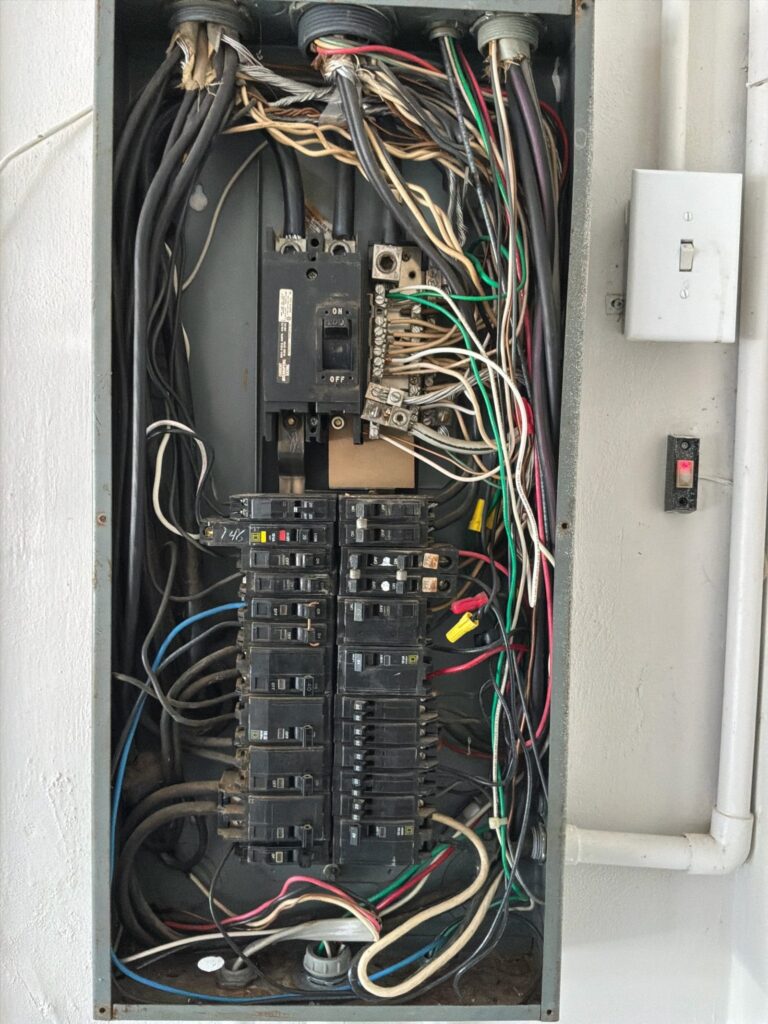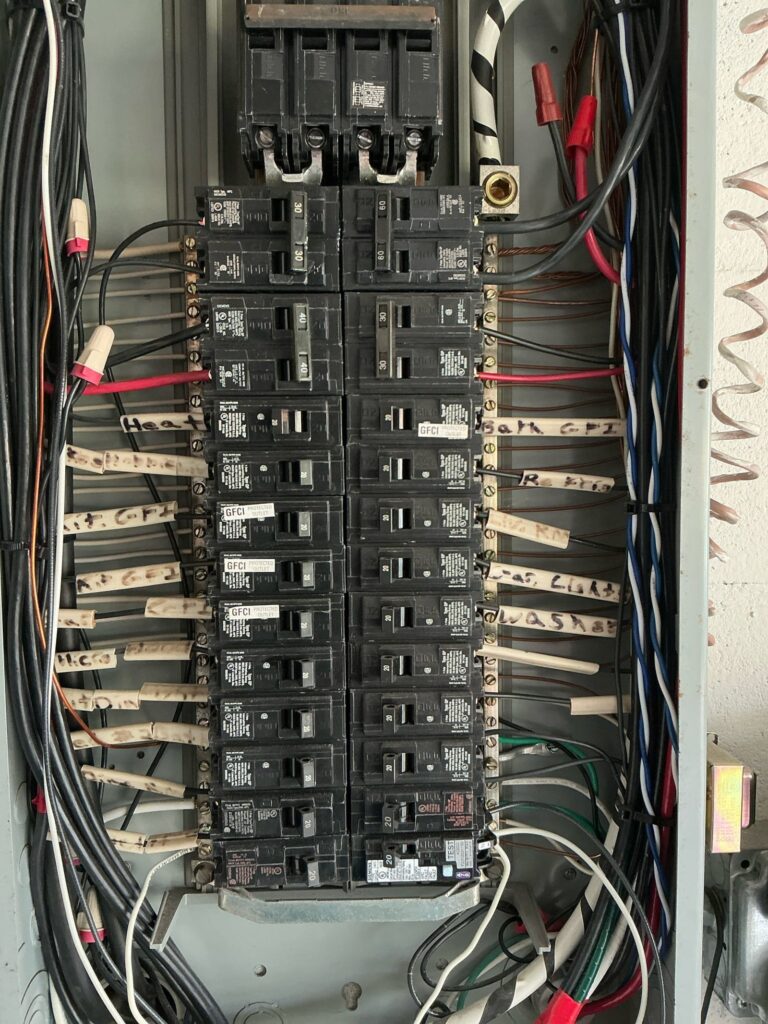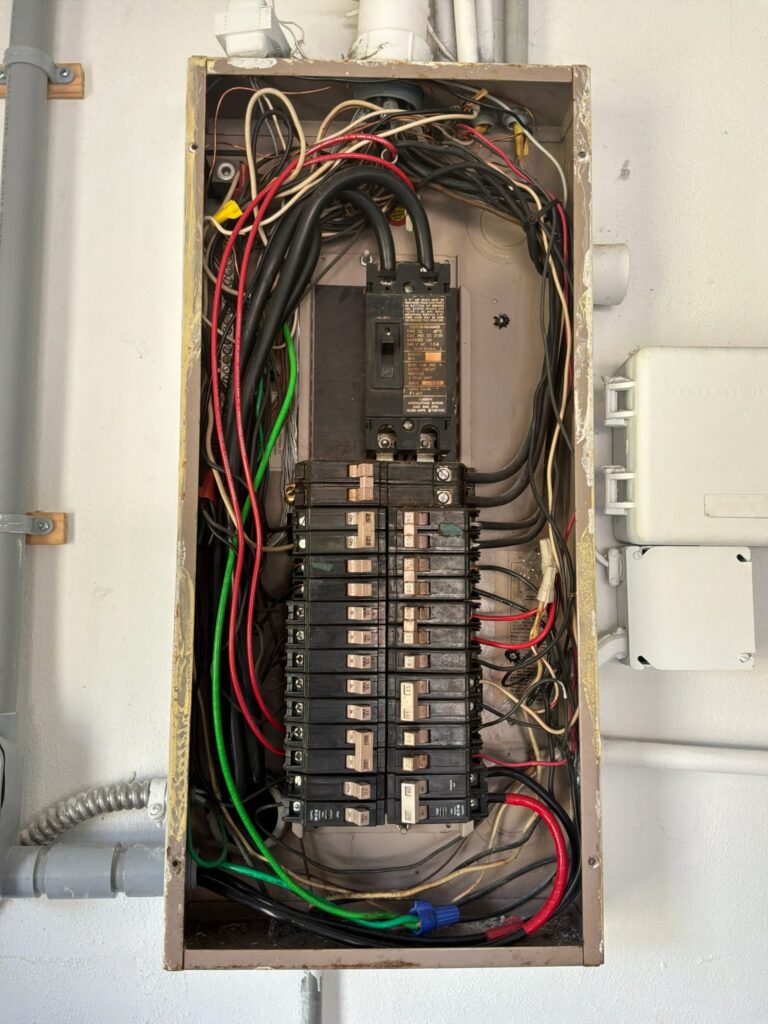
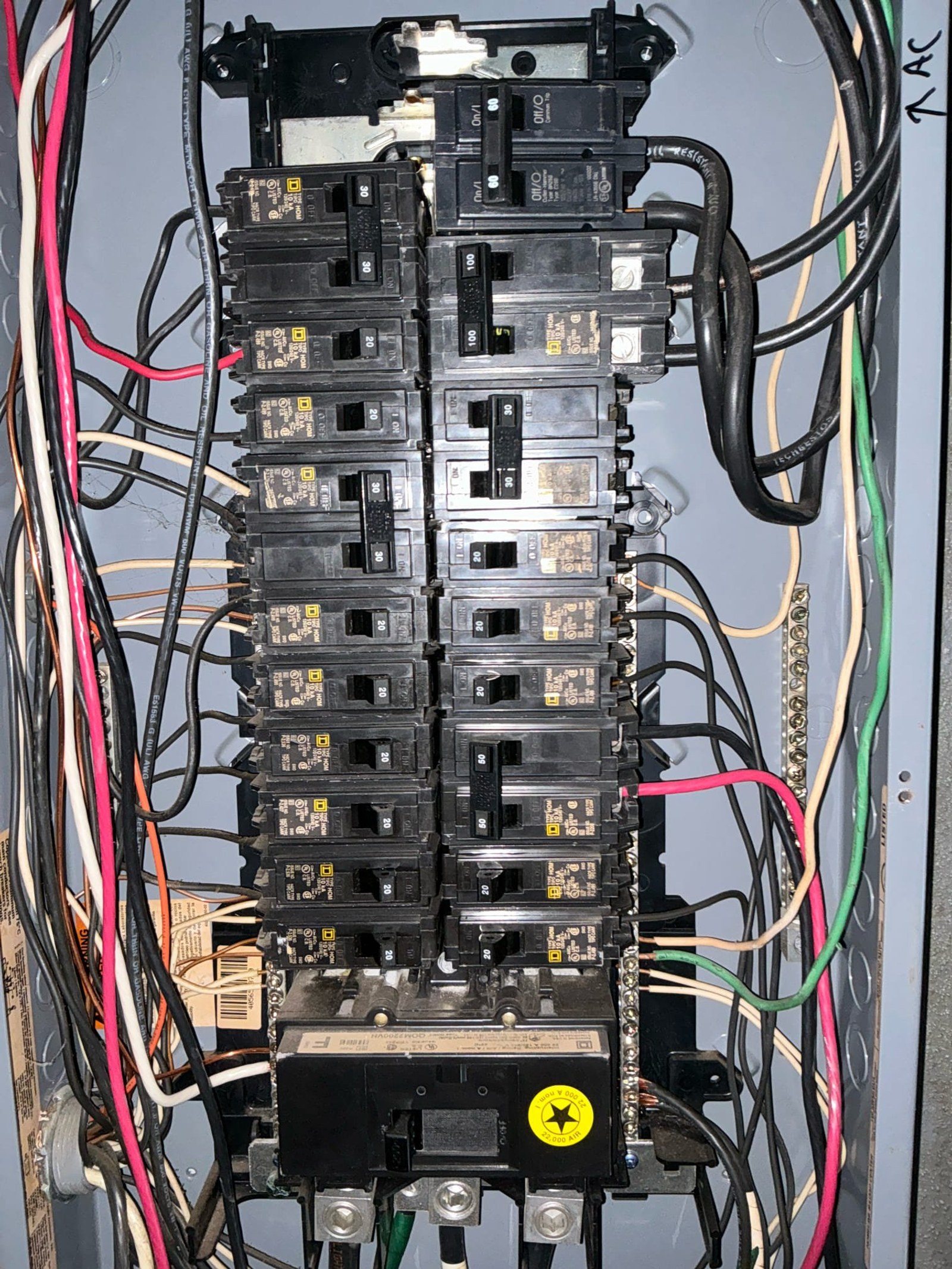
Before & After
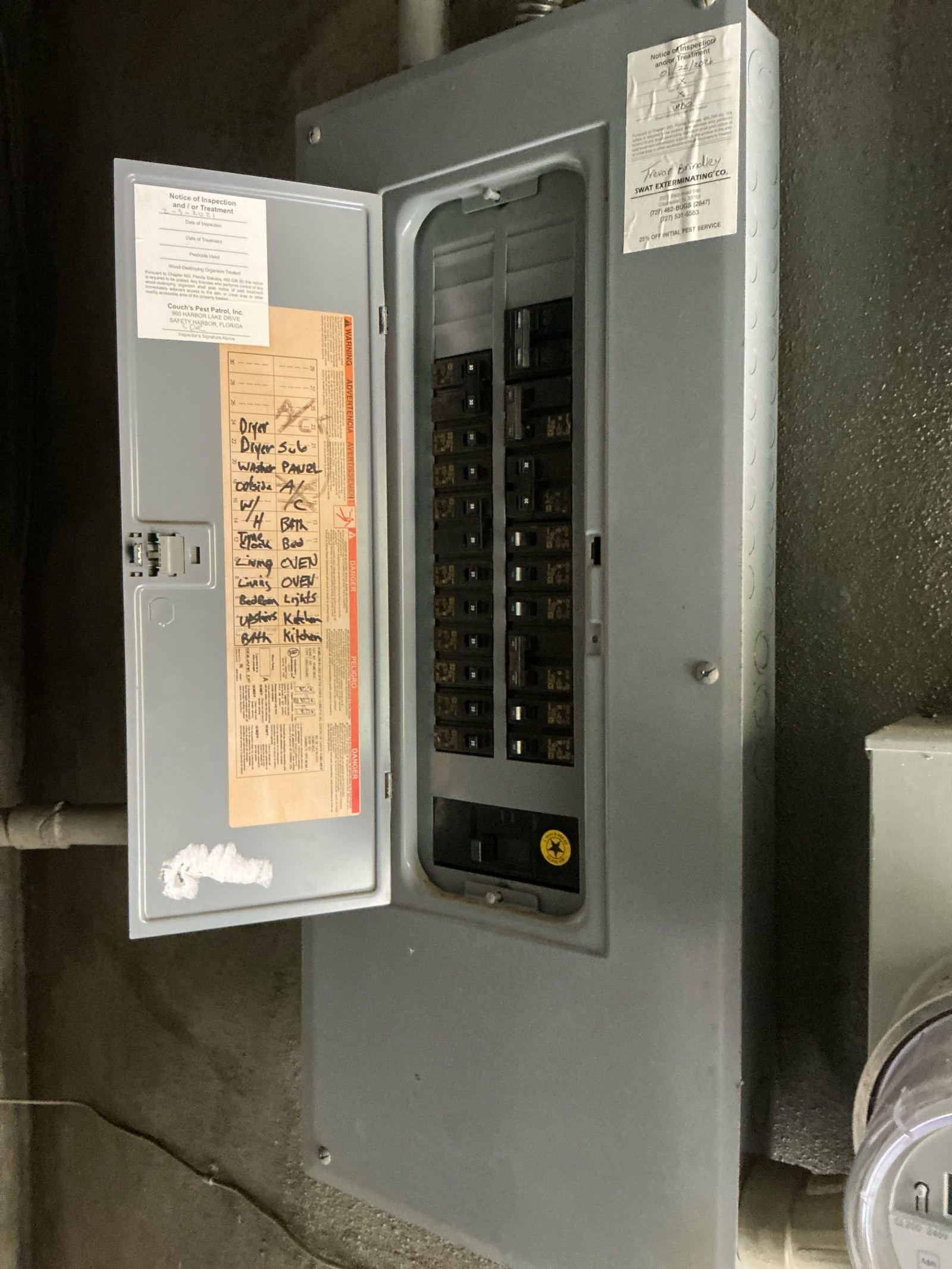
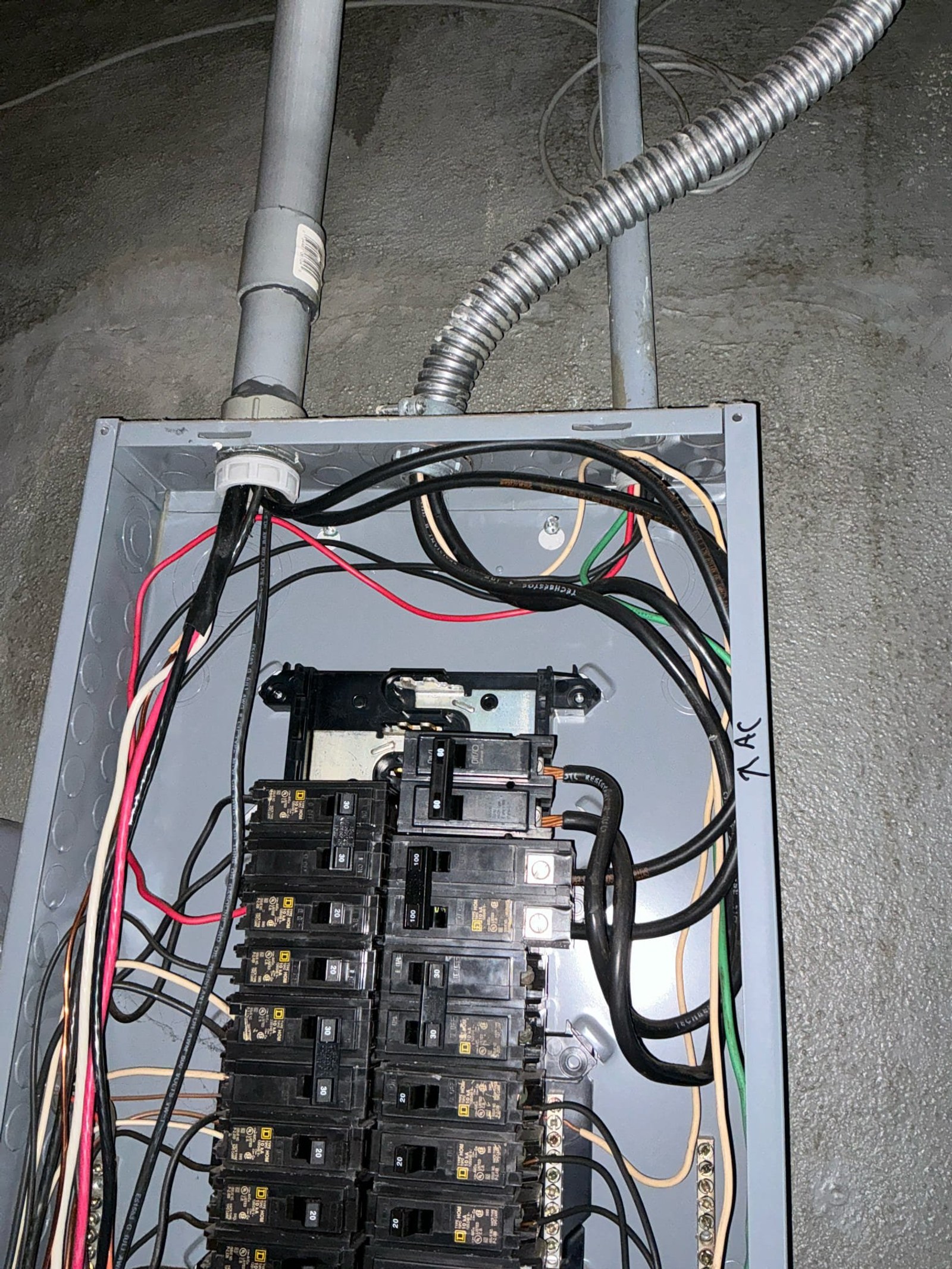
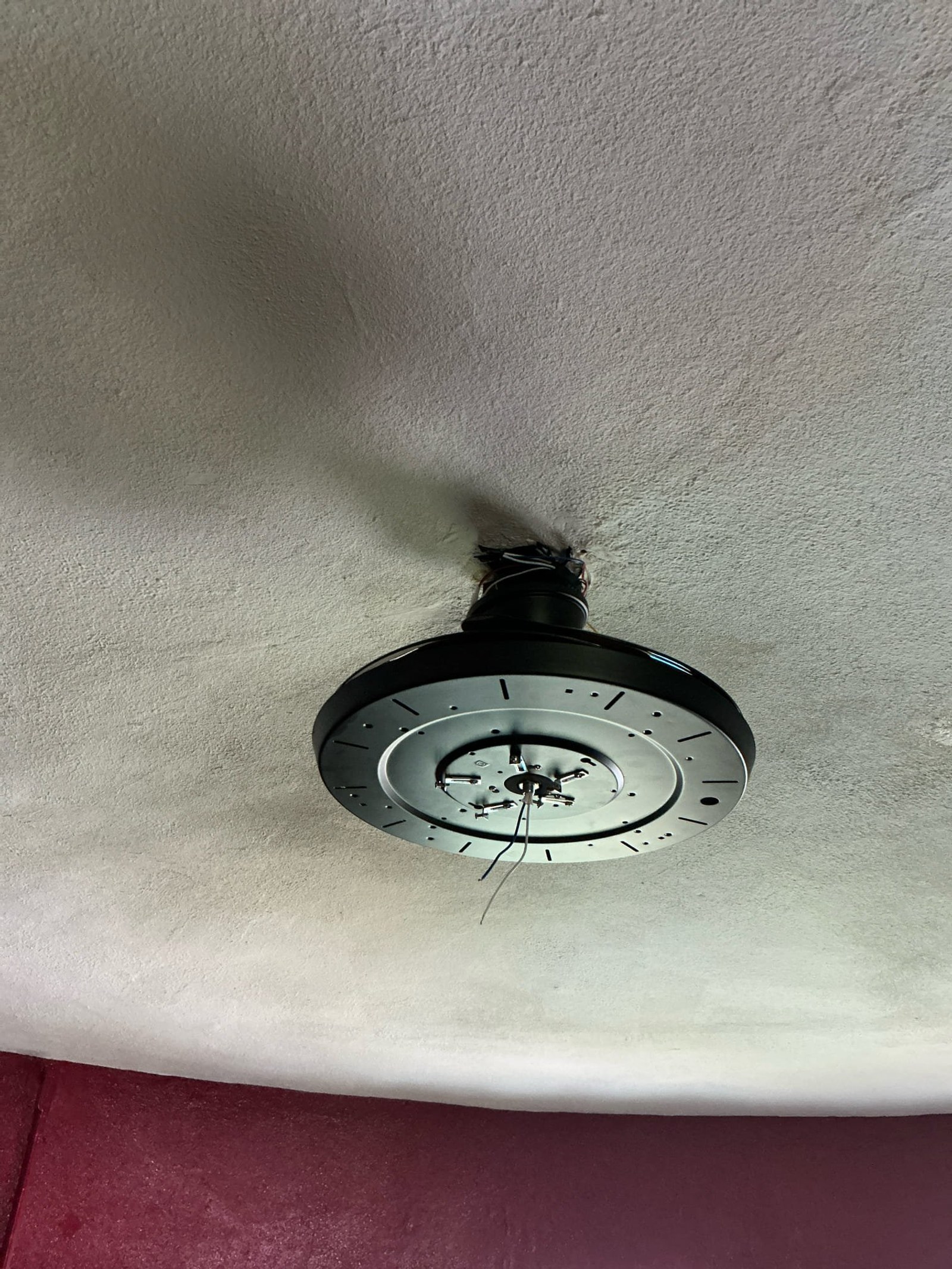
This Safety Harbor inspection case study walks through the real diagnosis, the fix, and the code details from a recent service call. A homeowner in Safety Harbor, FL originally called us to hang a ceiling fan — a straightforward project their spouse had started but hadn’t had time to finish. What our field team found during the visit went well beyond a ceiling fan bracket. A thorough walkthrough of the home’s electrical system revealed several areas that predate current code requirements, giving this family a clear picture of where their home stands and exactly what steps would bring it up to today’s standards.
The Problem
The homeowner had two things on their mind when they called: a ceiling fan they wanted installed at an 8-foot ceiling height, and a subtle but unsettling sensation — intermittent shocking sensations from outlets and switches around the house. That second concern moved the visit from a simple installation to a full electrical walkthrough.
“My spouse tried but doesn’t have time — and we’ve been noticing some shocking in the electrical system inside the home.”
That combination — a planned upgrade plus an unexplained feeling from the wiring — is exactly the kind of moment worth taking seriously.
Investigation
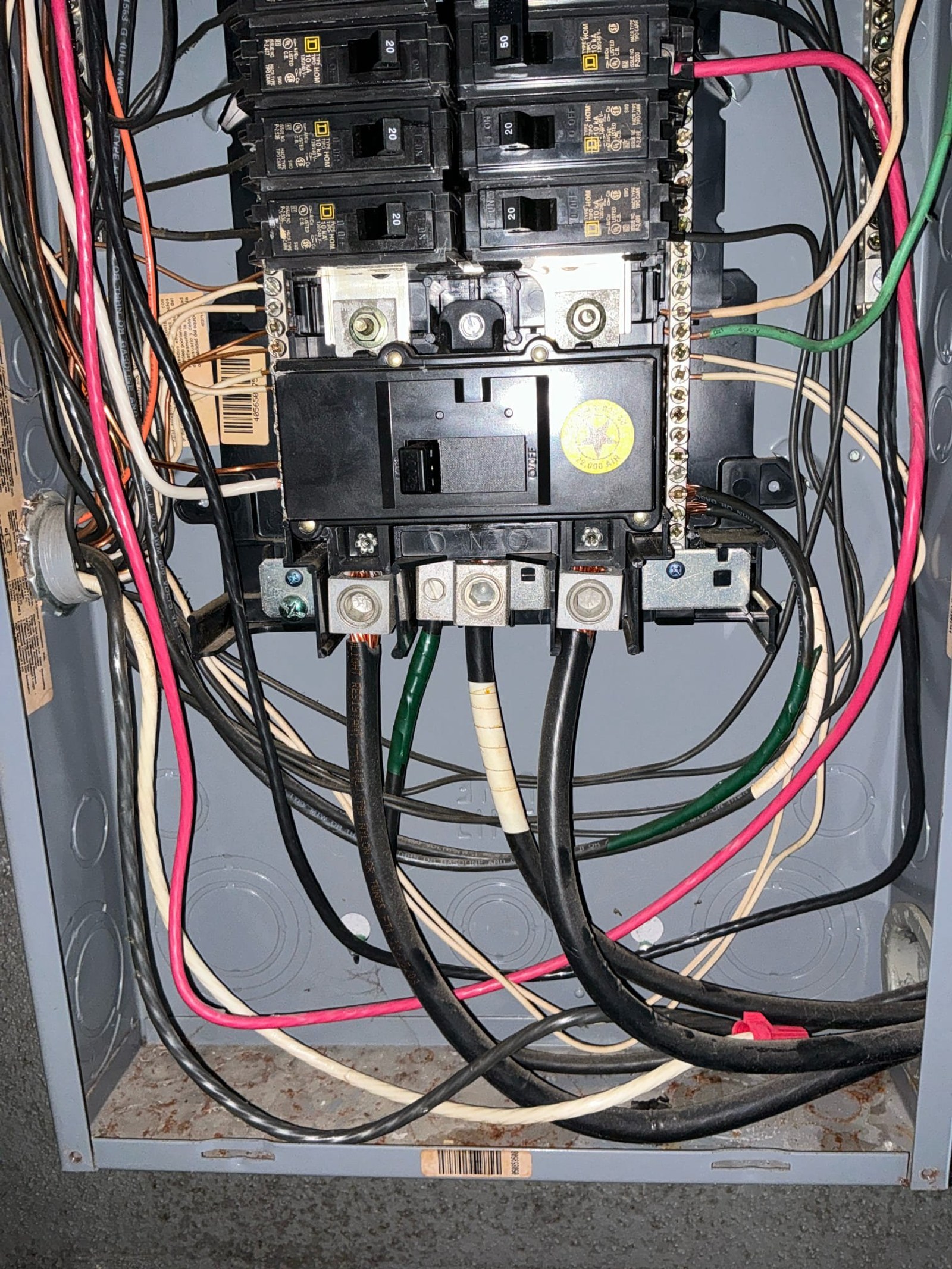
Our technician on-site performed a visual safety inspection and tested devices throughout the home. The Square D QO 150-amp panel itself showed some positives: neutrals and grounds separated correctly, breakers properly sized for the equipment they serve, no corrosion or burning on the service, and a functioning outside disconnect. Those are solid foundations.
However, the inspection also surfaced several findings worth addressing.
Grounding System Conditions
No ground rod was located at the electrical meter. The overall grounding system was flagged as predating current NEC standards — common in homes of this era, when grounding practices were less stringent than today’s code requires. A proper grounding electrode system, per current NEC 250.52 standards, is the backbone of a stable electrical environment. Without it, the home has less capacity to safely dissipate stray voltage — which aligns with the intermittent sensations the homeowner reported.
Backstabbed Outlets and Switches
Every outlet and switch in the home used backstab connections — a method common in homes wired before roughly 2005. Over time, the spring tension in backstab terminals eases, contact resistance climbs, and you get the kind of intermittent behavior this family noticed. Replacing them with properly screw-terminated devices is a reliable, lasting fix.
Additionally, the inspection found loose and worn-out outlets throughout the home, outlets that are not tamper-resistant, a double-tapped breaker, open splices, and arcing detected in older switches — all consistent with a home that has simply aged past where a refresh makes sense.
GFCI and AFCI Coverage
The bathroom outlets lacked GFCI protection — a requirement that has been part of the NEC since 1975 and has been expanded with each code cycle since. Similarly, AFCI protection was not present on the branch circuits that current NEC 210.12 covers in dwelling units. Both are straightforward upgrades that bring the home in line with NEC 2023.
Surge Protection
No whole-home surge protection was present. With Safety Harbor’s exposure to afternoon thunderstorms and Florida’s lightning activity, a Type 2 surge protective device at the panel is one of the most practical investments a homeowner can make — not just for the panel itself, but for every appliance, HVAC unit, and piece of electronics in the home.
The panel label was also incomplete, and the inspection noted some concern around weatherhead mounting condition, attic fan switches, and voltage drop at outlets — all items documented for the homeowner’s reference.
What We Fixed
During this visit, the field team performed minor troubleshooting — a visual inspection to identify the likely cause of the shocking sensations and document findings across the system. The team reviewed every finding with the homeowner and presented clear options for each item.
Recommendations presented included:
- New grounding system — installing a proper grounding electrode system with a ground rod at the meter, brought to NEC 250.50/250.52 standards
- Whole-home surge protection — a Type 2 SPD installed at the Square D QO panel, plus a dedicated surge device on the AC unit (per NEC 230.67 and NEC 285.25)
- GFCI outlets in all required areas — bathroom receptacles replaced with GFCI-protected devices per NEC 210.8
- Full re-device of outlets and switches — replacing all backstabbed connections with screw-terminated devices, addressing loose outlets, and installing tamper-resistant receptacles per NEC 406.12
- Panel directory update — properly labeling every circuit per NEC 408.4
The homeowner now has a complete, prioritized roadmap — no guesswork, no surprises.
Why This Safety Harbor Inspection Matters for Homeowners
Homes built in earlier decades were wired to the standards of their time. Backstabbed connections, limited grounding, and no GFCI coverage were all perfectly normal for the era. That doesn’t mean those conditions have to stay — it just means the home is ready for a refresh that meets where the code is today.
For this family, the intermittent shocking sensation was the nudge that led to a full picture of their home’s electrical health. Now they know exactly what they have, what needs attention, and what can wait. That kind of clarity is genuinely useful — especially before tackling any renovation or adding new loads like a ceiling fan, a hot tub, or an EV charger down the road.
With whole-home surge protection in place, every appliance — the fridge, the AC, the TV, the computers — rides out Florida’s storm season without skipping a beat. With a proper grounding system and re-deviced outlets, the home runs the way a family expects it to: quietly, reliably, every morning routine and every weekend, without anyone wondering what that tingle from the outlet means.
For more on grounding best practices and GFCI requirements, the Electrical Safety Foundation International offers homeowner-friendly guidance. Our work is performed under Florida electrical contractor license EC13015487, and all recommendations follow the NEC 2023 as adopted in Florida.
Code Compliance Cited in This Job
Every fix above maps to a specific section of NEC 2023. Each card links to NFPA’s public NEC index.
GFCI Protection for Personnel
NEC 210.8 requires GFCI-protected receptacles in bathrooms, kitchens, garages, outdoors, and other areas where moisture and contact risk are elevated. The bathroom outlets in this Safety Harbor home lacked GFCI protection — a condition consistent with older wiring that predates the expanded requirements of recent code cycles. Upgrading to GFCI devices brings these locations in line with NEC 2023. NFPA reference ›
Grounding Electrode System
NEC 250.50 requires a complete grounding electrode system at every service. The inspection found no ground rod at the meter can and identified the overall grounding system as obsolete by current standards. Installing a proper grounding electrode system addresses the stray-voltage conditions the homeowner reported and establishes the electrical foundation the home needs. NFPA reference ›
Grounding Electrodes
NEC 250.52 defines the acceptable grounding electrodes — including ground rods, metal water pipe, and concrete-encased electrodes — that must form the grounding electrode system. With no ground rod present at the meter, this home’s system falls short of current requirements. Adding a driven ground rod and connecting it properly resolves this finding. NFPA reference ›
Surge Protective Devices at Services
NEC 230.67 requires a surge protective device (SPD) at the service for new and upgraded dwelling-unit services. No whole-home surge protection was present in this Safety Harbor home. Installing a Type 2 SPD at the Square D QO panel — and a dedicated device at the AC unit — protects the entire home’s electronics and appliances from the voltage spikes that Florida’s lightning season routinely delivers. NFPA reference ›
Tamper-Resistant Receptacles
NEC 406.12 requires tamper-resistant receptacles in all dwelling-unit areas covered by NEC 210.52. The inspection found that outlets throughout this home are not tamper-resistant — consistent with devices installed before this requirement took effect in the 2008 code cycle. Replacing them as part of the full re-device brings every outlet up to current standards. NFPA reference ›
Circuit Directory and Identification
NEC 408.4 requires that every circuit in a panelboard be legibly identified as to its clear, evident purpose. The Square D QO panel in this home had an incomplete or missing circuit directory. Properly labeling every breaker takes minutes and gives the household — and any future electrician — an accurate map of the entire system. NFPA reference ›
Common Questions
Questions homeowners ask after seeing this kind of work.
What causes intermittent shocking sensations from outlets and switches in an older home?
In homes of a certain age, the most common contributors are a degraded or incomplete grounding system, backstabbed outlet connections that have loosened over time, and the general wear that comes from decades of use. Together, these conditions allow small amounts of stray voltage to appear at device faces rather than being safely routed away. A licensed electrician can pinpoint the specific cause quickly with a visual inspection and outlet tester. If this sounds familiar, so we can trace the source and walk you through your options.
How often should I have my home’s electrical system inspected?
For most households, a yearly inspection is a reliable baseline — it gives you a current picture of the system before Florida’s storm season and catches small issues before they grow. Older homes built before 1990, and homes that have experienced recent lightning strikes or flooding, benefit from inspections more frequently than once a year. Think of it the way you’d think of an annual HVAC tune-up: a small investment that keeps everything running the way you’d expect. and we’ll give you a straightforward report on where your home stands.
Are backstabbed outlets something I need to address right away?
Backstabbed connections were a standard installation method for many years and were perfectly acceptable under the code of their era. Over time, the spring clips that hold the wire can loosen, which leads to increased resistance at that connection point — and the intermittent flickering or sensation at the outlet that homeowners sometimes notice. Replacing them with screw-terminated devices is a straightforward fix that restores a solid, durable connection. and we can cover the whole home in a single visit.
Do I really need a whole-home surge protector if I already use power strips?
Power strips and plug-in surge suppressors handle small, everyday voltage fluctuations reasonably well. However, a direct or nearby lightning strike produces a surge that overwhelms most plug-in devices before they can react. A Type 2 surge protective device installed at the panel intercepts that energy at the source — before it reaches any branch circuit, appliance, or piece of electronics. In Safety Harbor and across Pinellas County, where summer storm activity is consistent, panel-level surge protection is one of the most practical upgrades a homeowner can make. and we’ll walk you through the right device for your panel and AC unit.
My bathroom outlets don’t have GFCI protection — is that common in older homes?
Very common. GFCI protection in bathrooms has been an NEC requirement since 1975, but the standard has expanded with every code cycle since then, and many older homes were never updated to reflect those changes. The good news is that adding GFCI outlets is a quick swap — no panel work needed in most cases — and it brings those locations into full compliance with NEC 210.8. If your home is the same vintage as this Safety Harbor property, it’s worth having a licensed electrician and check every required location in one visit.
Want to see more real jobs like this one? Browse our completed case studies or explore our services.