This Treasure Island kitchen rewire case study walks through the real diagnosis, the fix, and the code details from a recent service call. A homeowner in Treasure Island, FL contacted Thomas Edison Electric for electrical work ahead of a kitchen remodel. In fact, what started as preparation for new kitchen wiring became a comprehensive safety upgrade including smart smoke detectors, whole-home surge protection, and modern circuit breakers throughout the home.
The Problem
The homeowner was planning a kitchen renovation and wanted to ensure the electrical system could handle new appliances and lighting. Additionally, they wanted to modernize their home’s safety systems while the electrical work was being done.
“We’re remodeling the kitchen and want to lay out new wiring for it. The main work will start in about 10 days.”
Investigation
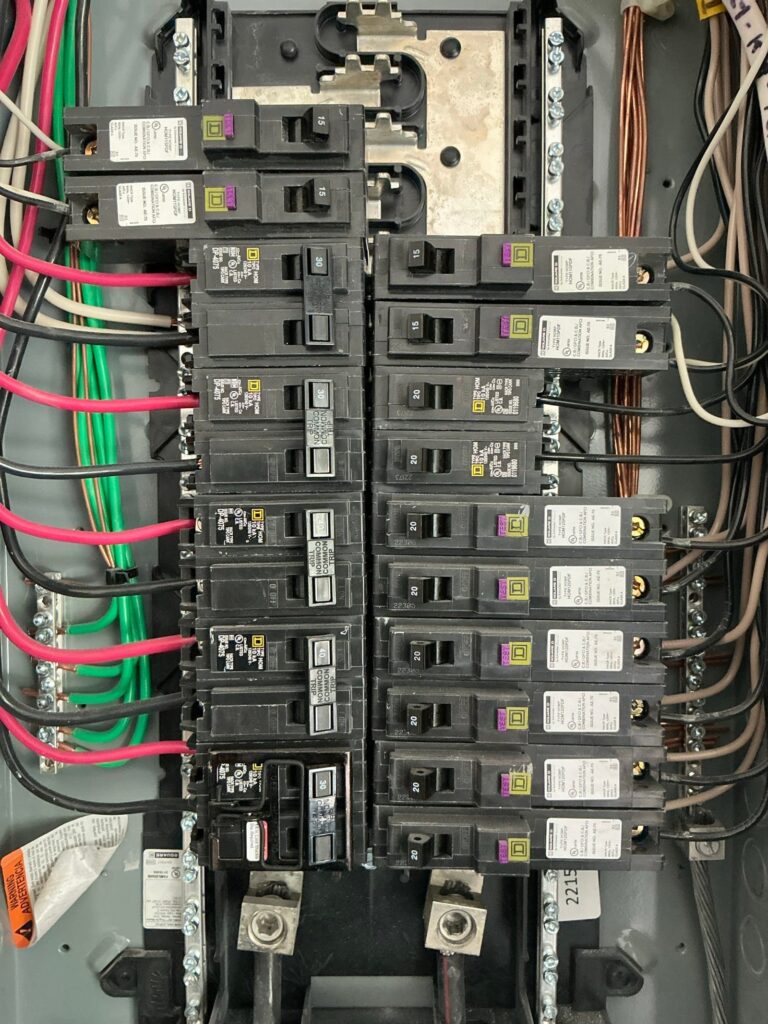
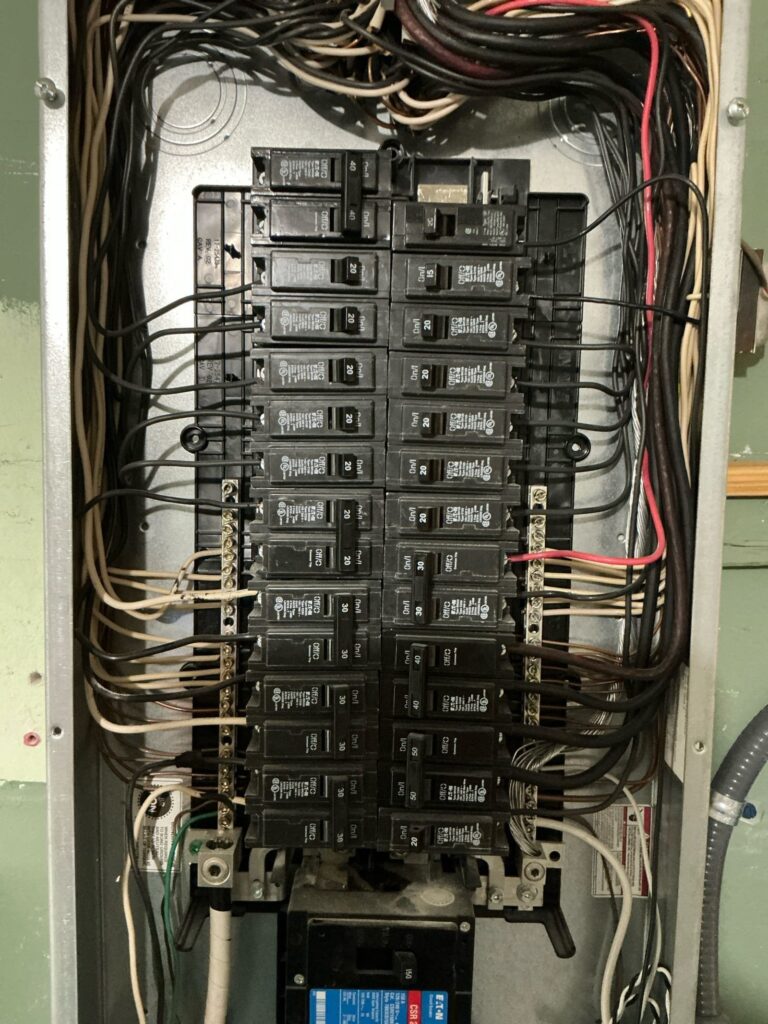
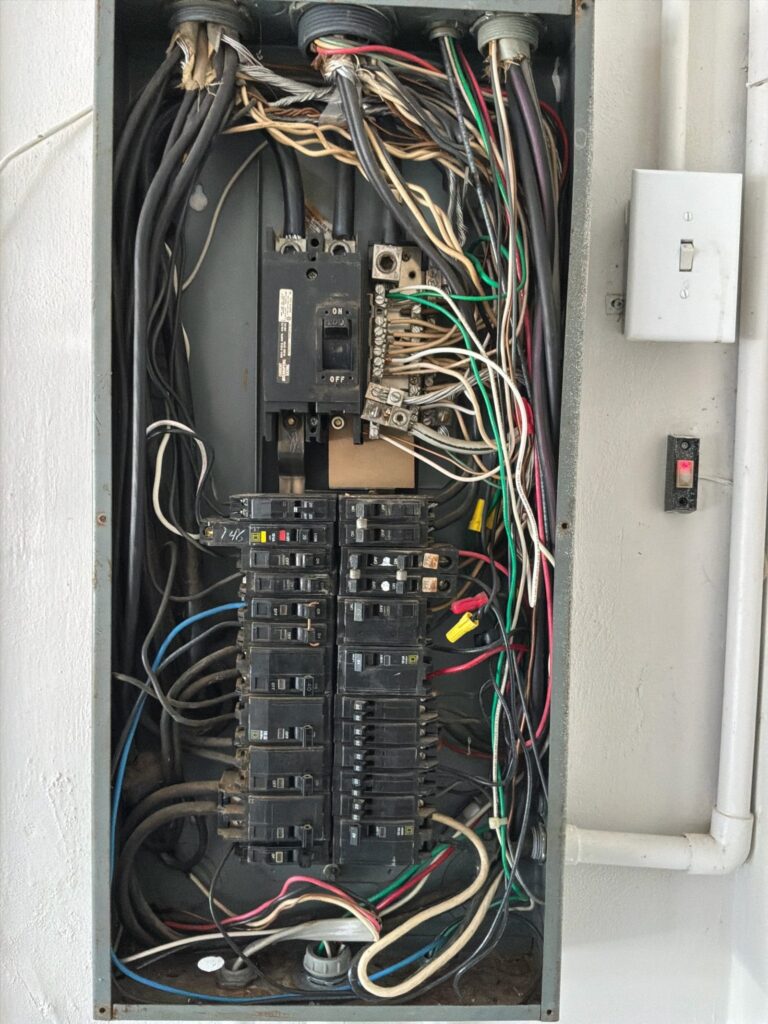
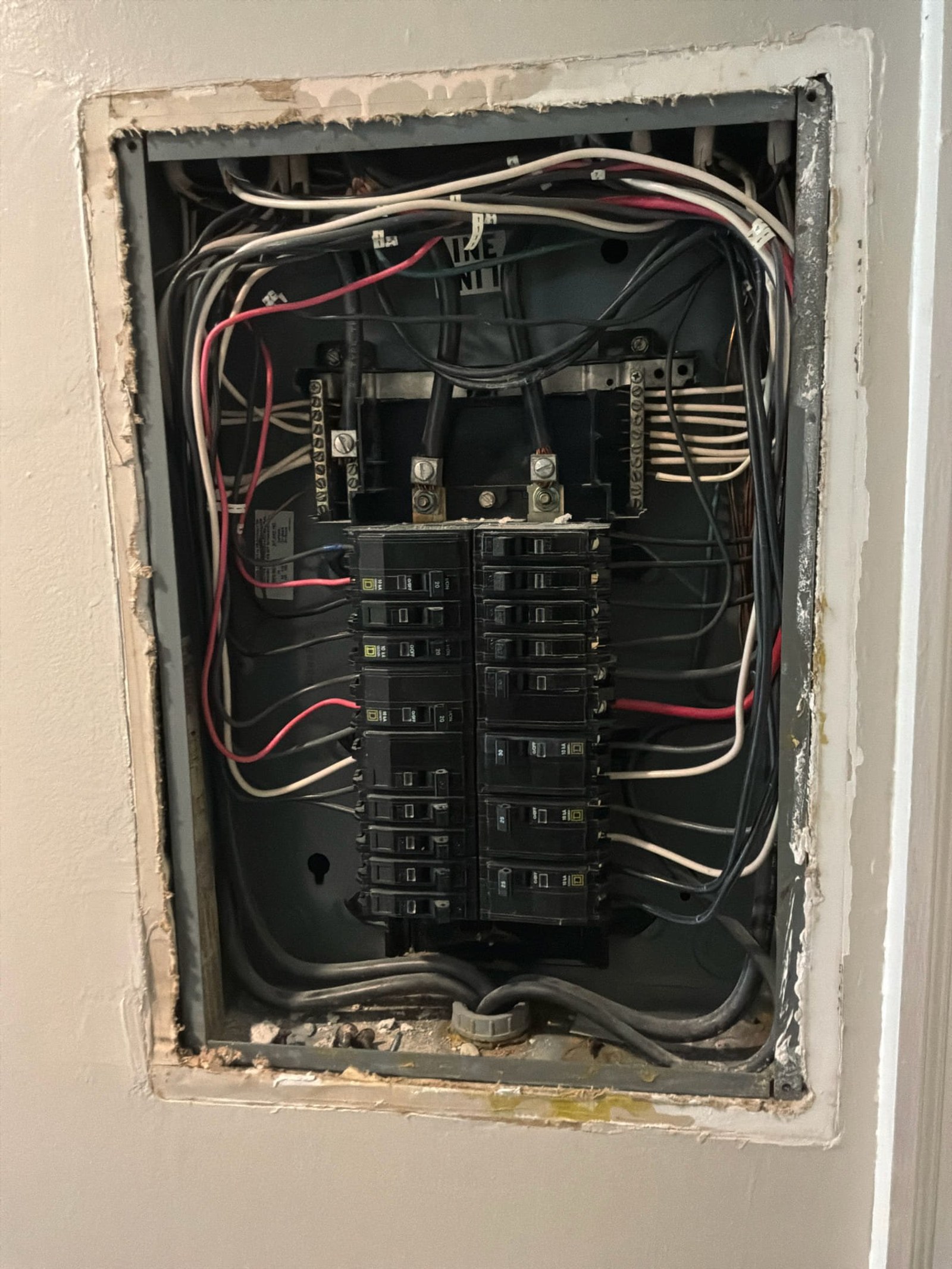
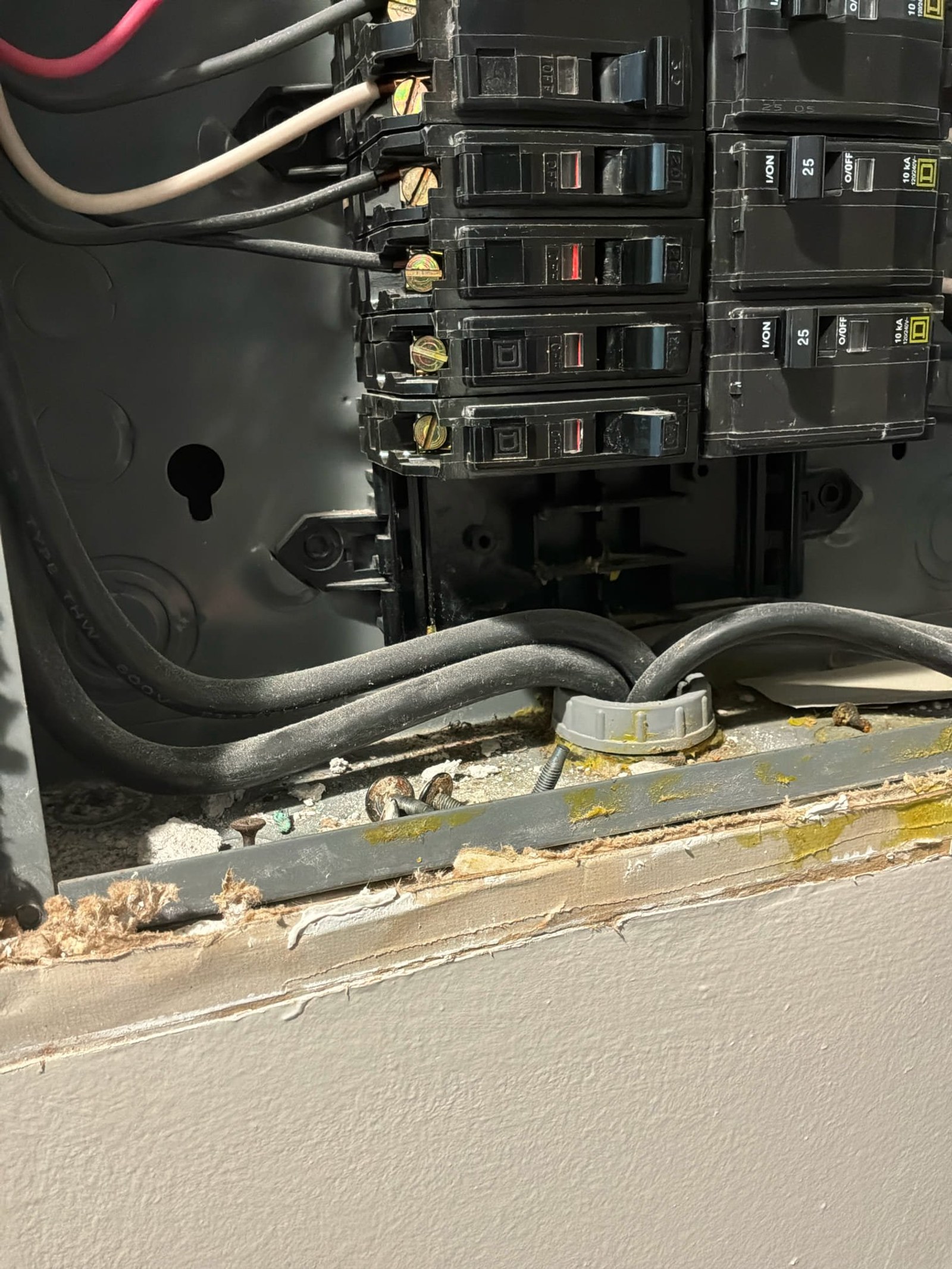
Our technician evaluated the existing electrical panel and found a Square D HomeLine system that could accommodate the planned upgrades. However, the home lacked modern surge protection and had older smoke detection that didn’t meet current interconnected requirements. As a result, the existing panel had adequate capacity but needed specific breaker upgrades to support the new kitchen circuits and safety devices.
What We Fixed
Whole-Home Surge Protection Installation
To start, we installed a PSP Vortex 120 kA whole-house surge protection device directly onto the residential panel. This device provides comprehensive protection against voltage spikes that can damage modern kitchen appliances and electronics.
Circuit Breakers for Kitchen Demands
For the circuit work, we installed new Square D HomeLine breakers including a HOM115 15-amp single pole breaker for general kitchen circuits. Next, we added a HOM240 40-amp double pole breaker for high-demand appliances. Additionally, we installed a GE THQP230 30-amp double pole breaker to support another major appliance circuit.
Smart Smoke and CO Detector Network
The most significant upgrade involved installing five interconnected smart smoke and carbon monoxide detectors with 10-year sealed lithium batteries. These units provide smartphone alerts and create a whole-home safety network. In this case, activation of one detector triggers all units throughout the house.
Supporting Electrical Components
We also completed several additional electrical upgrades throughout the home. This included installing a tamper-resistant 15-amp receptacle with a new cut-in box, upgrading an existing switch to a decorator-style rocker switch, and installing a new 15-amp cord for an existing appliance to meet current disconnecting means requirements at the appliance.
Why This Treasure Island Kitchen Rewire Matters for Homeowners
Modern Kitchens Need More Power
Modern kitchen remodels place significantly higher electrical demands on homes than older wiring anticipated. Today’s induction cooktops, convection ovens, and smart appliances require dedicated circuits and robust surge protection. In fact, this level of protection wasn’t standard even a decade ago. Homeowners planning similar upgrades should consider an electrical panel upgrade to ensure adequate capacity.
Interconnected Detectors Save Lives
The interconnected smoke detector upgrade addresses a critical safety gap in older homes. When detectors communicate with each other, occupants receive earlier warning regardless of where a fire starts. Furthermore, smart features allow homeowners to receive alerts even when away from home. This provides peace of mind during vacations or work travel.
Surge Protection Safeguards Your Investment
Whole-home surge protection has become essential as homes fill with sensitive electronics. A single lightning strike or utility switching event can damage thousands of dollars worth of appliances, computers, and smart home devices. Installing protection at the panel level safeguards everything connected to the home’s electrical system.
Common Questions
Questions homeowners ask after seeing this kind of work.
Do I need a panel upgrade for a kitchen remodel?
Not always, but modern kitchens often need additional dedicated circuits for induction cooktops, convection ovens, refrigerators, and small appliance loads. If your existing panel is at capacity or older than 25 years, an upgrade during the remodel makes more sense than retrofitting later. We can evaluate during the planning phase.
What circuits do modern kitchens need?
Current code requires at minimum: two 20-amp small appliance circuits, dedicated circuits for the refrigerator, dishwasher, disposal, microwave, range/oven (often 40-50 amp), and GFCI/AFCI protection on most receptacles. A Treasure Island kitchen rewire typically involves 6-8 dedicated circuits.
Should kitchen rewire include smoke detector upgrades?
Yes – if you’re already opening walls and ceilings, it’s the easiest time to install interconnected smart smoke/CO detectors. The labor savings can be substantial compared to retrofitting later, and the interconnection wiring is easier to run when ceilings are accessible.
How long does a kitchen rewire take?
A full kitchen rewire (new circuits, GFCI/AFCI protection, lighting circuits, dedicated appliance feeds) typically takes 2-4 days depending on scope and existing wiring conditions. We coordinate with your general contractor to fit electrical phases between framing, drywall, and finish work.
Can I save money by reusing existing kitchen wiring?
Sometimes – if existing circuits are properly sized, in good condition, and meet current code, we can reuse them. But aluminum branch wiring, undersized circuits, or back-stabbed connections common in older kitchens usually need replacement. Our evaluation identifies what’s salvageable versus what needs upgrading.